Briancon

February 20th, 2012

View From Europe’s Highest Town – Briancon

Located in the Hautes-Alpes department, part of the PACA region of France, the fortress town of Briançon is the highest in all of Europe, and its ancient walls and fortifications, still standing today, are quite a sight to see.  The town is comprised of two distinct parts; the lower town, which is located at the junction of the Guisane and Durance rivers and the upper town, which features the ancient walled fortification.  It combines history, culture, adventure and picturesque landscapes, making it the perfect all-in-one destination for those seeking an authentic French experience.

If it’s history you’re interested in, then you’ve come to the right place!  Upon entering the antiquated town via drawbridge, one immediately feels as if they have somehow crossed into the past.  There are several fascinating buildings located throughout the town, some of which have even been classified as UNESCO World Heritage sites as part of the “Fortifications of Vauban”.  This classification consists of 12 groups of fortified buildings and sites along the western, northern and eastern borders of France which were designed by Vauban, a world-renowned military engineer from the 17th century.

Given the town’s long, rich history, it’s no surprise that the area features a good number of forts to see and explore.  In fact, Briançon happens to be one of the most fortified areas in all of France.  Today the remains of many of these forts can be found in the mountains to the east, including the forts of Randouillet, Dauphin, Anjou, Gondran, Trois Têtes, Croix de Bretagne, Infernet, and Selettes, among others.  It’s certainly enough to keep you busy exploring for the day!

Aside from historic buildings, there are plenty of other sights to see in the town, from sparkling fountains, to sundials, to the unique gargouille streets, which are defined by the small canal that runs down the center.  Many areas feature charming cobblestone steps, adding to the old feel and ancient atmosphere of the town. The lower town features a variety of friendly little shops, cafés and restaurants, as well as the town market, which is located in front of the ancient fire station that is incredibly still in use today.

There is a nice selection of eateries to choose from throughout the town, featuring lots of regional dishes and local cuisine.  Enjoy an expertly crafted meal, filled with rich cheeses and delectable local ingredients and then wash it down with some tasty regional wine.  Feel free to indulge as you’ll have plenty of opportunity to work off the extra calories participating in the wealth of sporting activities that can be enjoyed in Briançon.   Everything from cycling, hiking and kayaking to ice hockey and skiing is available for the adventure seeker and each activity offers a unique and unforgettable way to experience this beautiful French village.

If a visit to France is in your future, consider incorporating a stop in the ancient town of Briançon.  You won’t regret it.

La Roque Gageac

February 13th, 2012

Magical, Picturesque and Unforgettable – Only La Roque Gageac

Located in the Aquitaine region in the Dordogne department of France, La Roque Gageac offers a magical, picturesque and unforgettable setting that welcomes visitors from across the globe.  Ideally situated directly beside the Dordogne River, one of the most incredible sights to behold in La Roque is the many of the houses that are built directly into the face of the massive cliff that overhangs the village.  Above the cliff are steep steps that lead to the infamous troglodyte caves, which boast an extravagant botanical garden and spectacular views.  It is a destination not to be missed.

So lovely is this little commune that it is a member of the Les Plus Beaux Villages de France (“The most beautiful villages of France”) association.  The entire village, particularly near the charming little church, boasts a spectacular tropical-like garden that visitors can wander through as they explore the narrow streets of the town.  The towering cliff behind the village shields the area from wind and cold weather from the north, while the open southern view allows it plenty of sunshine. These two factors make it possible to grow a fantastic variety of plants and flowers as far as the eye can see.  The garden was created in 1970 by Gerard Dorin and continues to flourish and attract visitors from around the world.

Just about all of the old houses in La Roque were constructed in the traditional yellow stone that the Dordogne area has become known for and most boast stone roofs. Perhaps the most noteworthy structure in the area is the Chateau de la Malartrie, which also happens to be one of the most recently constructed. Although most of the homes in La Roque are situated along the river, you will also spot some of the medieval houses built up the hill and set into the cliffs above.  One of the loveliest ways to get a glimpse of the old homes and buildings is to take a leisurely canoe ride along the Dordogne River and take in the charm of the village as you drift by.

Another thing that makes La Roque such an interesting place to visit is the massive troglodyte fort which is set in the cliffs some 40 metres above the village. Constructed during the 12th century, many of the vestiges are still standing. La Roque Gageac was the perfect location for the fortress and gave it a significant strategic and defensive position in the area. Right below the troglodyte fort sits one of the village’s most amazing structures, the Renaissance Manoir de Tarde, which featuers a round tower and unique mullion windows.

Given the village’s well-known beauty and unique landscape, it’s not surprising that it happens to be quite popular with tourists.  Don’t let this deter you, however.  Just plan accordingly – arrive early and enjoy the hustle and bustle of the old town as it welcomes visitors from the present into its magical and intriguing past.  It’s certain to be a journey you won’t soon forget.

The Exquisite Colmar

February 9th, 2012

Rich with Culture and Medieval Charm

Located in the heart of beautiful Alsace, France, the city of Colmar offers up all the medieval charm and rich culture for which the region has become known and loved.  Ancient streets, perfect for enjoying a leisurely stroll, are lined with quaint old shops and remarkably preserved buildings that provide a fascinating glimpse into the area’s deep-routed past.  Enjoy a glass of world-class Alsatian wine as you marvel at the centuries old German and French architecture and relax and unwind amidst the peaceful atmosphere of a city that time seems to have forgotten.

The main attraction in Colmar is the area of the city known as “old town”, a stunningly beautiful place that has somehow managed to maintain its ancient look and feel.  It is a lovely destination to enjoy an afternoon, and its proximity makes it ideal for conquering it either on foot or on bike.  The warm, welcoming feeling of the shops and buildings in old town is matched only by the friendly people who call the area home.

Colmar also happens to be considered the capital of Alsatian wine, and for good reason.  The wine produced there is widely esteemed both within France and around the world.  Alsatian wine is quite unique, although it does bear some resemblance to a few of the wines produced in Germany.  Two of the most well-known wines of the area include Muscat, which is fairly sweet in taste, and Gewürztraminer, which is very sweet, particularly when compared to wines of the same name that are produced in other regions.  There are plenty of tours available on which you can experience the winemaking process and sample several local wines.

Given Colmar’s size, there are quite a few notable landmarks to visit and all located fairly close to one another, making them quite convenient for visitors.  These structures showcase an incredible eight centuries of French and German architecture including Maison Adolph (German Gothic), Maison Pfister (German Renaissance), Poêle des Laboureurs (German Baroque), Hôtel de Ville (French Classicism), Théâtre Municipal (French Neo-Classicism) and Marché Couvert (French Neo-Baroque).  It’s a fantastic sampling of many unique styles, all in one place.

Of all the monuments in Colmar, however, the one that is touted as a “must see” is St. Martin Church.  The building was constructed sometime between 1234 and 1365 with the bell tower’s helmet added on in 1572 following a fire. The church features a beautiful colored tile roof and is surrounded by several small portals, many of which are bricked up. The larger ones feature richly sculpted tympana, or decorative wall surfaces over the entrances. It also boasts massive (and architecturally rare) pillars that support the church’s façade.  The interior of the church features several historical pieces including furniture and a Baroque organ case from the 1700s as well as exquisite stained glass windows.

Whether it’s a quiet, relaxing stay you’re seeking, a chance to sample some of the most exquisite wines in the world, or an opportunity to witness some of the best architectural displays in all of France, the city of Colmar offers all of this and so much more.  Beautiful buildings, ancient charm and a warm, welcoming atmosphere will have you feeling right at home in this lovely little destination.

February 2012 Newsletter

February 6th, 2012


Discover France Adventures

February 2012 Newsletter

IN THIS ISSUE:

SPECIAL TDF OFFER!!

We are now offering VIP access ONLY on July 1st and 3rd! You do not have to buy the whole tour package to enjoy exclusive access. Contact us for more information.

This Month’s Tour

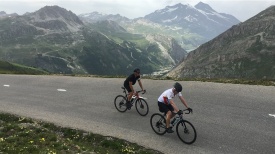
Mont Ventoux to Nice Challenging Tour


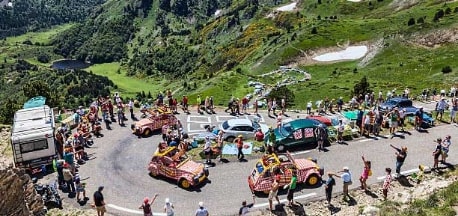
Ride over 400 km while exploring charming villages in the interior PACA region. Pictured above is Tom who celebrated his birthday climbing Mont Ventoux and fulfilling his goal!

This Month’s Phrase

Il faut juger un homme par ses questions et non ses reponses.


Meaning: Judge a man by his questions rather than by his answers.

- Voltaire


KEEP IN TOUCH:

Phone: (800) 960-2221

Bonjour!

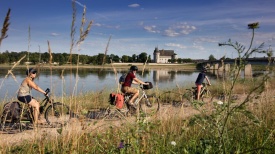
Bike the PACA Region this Spring

PACA is one of France’s 22 regions, but many people don’t realize just how vast the PACA region truly is or that it actually includes six departments. Alpes-de-Haute-Provence, Hautes-Alpes, Alpes-Maritimes, Buches-du-Rhone, Var, and Vaucluse make up PACA, short for Provence-Alpes-Côte d’Azur. Historians, artists, as well as wine enthusiasts flock to this region for the ancient culture, breathtaking scenery and beautiful villages. All departments are equally worthy of a visit and cyclist’s find the best time to visit is in the spring. Why does a springtime bike vacation have all level cyclists raving?


1.   No summer crowds

2.   Off season prices

3.   Charming towns

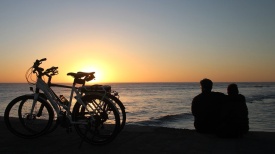
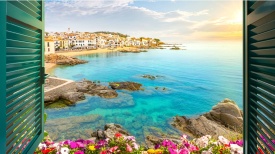
4.   Sunny beaches

5.   Spin out your winter legs


Read more

Languedoc’s Enchanting Village – Saint Guilhem le Desert

Located in the most southern part of France on the Mediterranean coast, the province of Languedoc is an area rich with scenic landscapes and a beautiful climate. Between cycling the coast, observing the traditional bull run, or visiting the region’s “must see” sites there is truly something for everyone in Languedoc. Perhaps on of the most intriguing things about Languedoc is it’s smaller villages filled with history, culture, art and the like; one such village is Saint Guilhem le Desert.

Not only is Saint Guilhem le Desert rich in historical finds, but it also happens to have been named one of the Plus Beaux Villages de France (Most Beautiful Villages in France). People come to the Languedoc region for many reasons, whether it’s the breathtaking natural beauty, the quaint French atmosphere or the amazing historical art and artifacts that can be found throughout.  The one place within Languedoc that embodies all of these features and more is the village of Saint Guilhem le Desert.


Read more

Best of Provence Guided Tour

Best of Provence, really? In 6 days, you will observe some real highlights that won’t disappoint! Key towns like Gordes, Les Baux de Provence, St Remy de Provence, Uzes and the famous Roman aquaduct, Le Pont du Gard, all make this trip memorable – and they all rank among the best sites and towns in this enchanting region! You will also taste exquisite wines, discover smaller but amazing historical villages, and cycle along olive groves and lavender fields. All this combined with visits to castles and art museums makes this trip truly the Best of Provence!


Cycling PACA in Spring

February 1st, 2012

5 Reasons to Grab Your Bike and Head to PACA this Spring

PACA is one of France’s 27 regions, but many people don’t realize just how vast the PACA region truly is or that it actually includes six departments.  Alpes-de-Haute-Provence, Hautes-Alpes, Alpes-Maritimes, Buches-du-Rhone, Var, and Vaucluse make up PACA, short for Provence-Alpes-Côte d’Azur. Historians, artists, as well as wine enthusiasts flock to this region for the ancient culture, breathtaking scenery and beautiful villages. All departments are equally worthy of a visit and cyclist’s find the best time to visit is in the spring. Why does a springtime bike vacation have all level cyclists raving?


1.) Spin out your winter legs

As the winter weeks drag on it is hard to think of anything other than clear skies filled with abundant warm sunshine. This is what awaits you in southern France as early as March and April.


2.) No summer crowds yet – shorter lines

The summer travelers are still packing at home allowing you to enjoy the city’s favorites with fewer lines and crowds. Visit the famous museums without waiting in line all day or get a table at that restaurant which is always booked.


3.) Off season prices

In general, summer is considered “peak” travel time meaning the “off season” time, like spring, may offer lower fares. Select hotels, airlines and restaurants have been known to reduce prices during this time.


4.) Charming towns

Provence certainly has its fair share of inviting towns include Arles, Gordes and Avignon, among other traveler’s favorites. The beautifully preserved medieval town of Avignon offers one of Europe’s most impressive buildings, the Palace of the Popes, while Arles has been called “the soul of Provence,” to which art lovers, archaeologists, and historians are especially attracted.


5.) Sunny beaches

Beach-goers will be in their glory amid the miles of coastline located along the Mediterranean Coast. For those seeking beauty and relaxation while dipping your toes into the wet sand than the PACA region is waiting to make your dream come true.


The PACA region is a great option when looking for an adventure tour and what better time than spring. Everyone, especially cyclists, enjoy this region because of the quaint atmosphere, warm and inviting climate, and rich history. With something new to see down every road, Provence-Alpes-Côte d’Azur offers an unforgettable experience second to none.