










No tours available yet...
No tours available yet...
No tours available yet...
 France Bike Tours
 Europe Bike Tours
 Europe Luxury Bike Tours
 Epic Cycling
 Cycling Challenges
 Italy
Italy
 Spain
Spain
 Holland
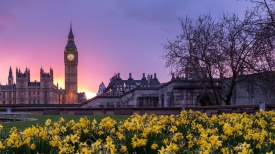 United Kingdom
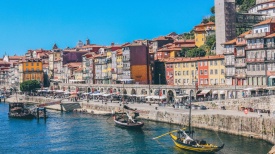 Portugal
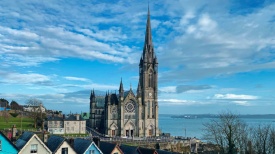 Ireland
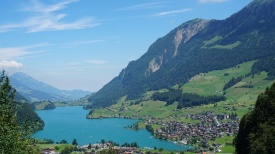 Switzerland
 Croatia
 Baltic States
 Nordic States






Tour de France
2027 Tickets
Tour de France
2027 Packages
Adventure Vacations
for Couples
European Tours
for Seniors
European Tours
for Families
Group Tours to
Europe
Honeymoon
Europe Tour
Singles Tours
Europe
Italy
Spain
Holland
United Kingdom
Portugal
Ireland
Switzerland
Croatia
Baltic States
Nordic States
France Bike Tours
Europe Bike Tours
Europe Luxury Bike Tours
Epic Cycling
Cycling Challenges
Self-Guided Tours
Wine Tours
Heritage Tours
Adventure Cycling
Food and Culinary Tours
Walking and Hiking Tours
Multi Sport Tours
Private Guided Tours
Custom Tours
Men's Tour de France tickets 2027
Women's Tour de France tickets 2027
L'Etape du Tour de France
Italy
Spain
Holland
United Kingdom
Portugal
Ireland
Switzerland
Croatia
Provence
Loire Valley
Bordeaux
Brittany
Burgundy
Dordogne
Alsace
Massif Central
Italy
Spain
Portugal
Provence
Loire Valley
Bordeaux
Dordogne
Burgundy
Brittany
Alsace
Burgundy
Alsace
Bordeaux
Bordeaux
Burgundy
Alsace
Provence
Loire Valley
Languedoc
Portugal
Provence
Alsace
Dordogne
Loire Valley
Brittany
Burgundy
Normandy
Corsica
Provence
Normandy
Dordogne
Loire Valley
Burgundy
Alsace
Brittany
Corsica
Loire Valley
Provence
Bordeaux
Languedoc
Dordogne
Burgundy
Brittany
Guadeloupe
Loire Valley
Dordogne
Brittany
Provence
French Riviera
Spain
Normandy
Corsica
Atlantic Coast
Loire Valley
Dordogne
Brittany
Provence
French Riviera
Spain
Normandy
Corsica
Atlantic Coast
Provence
Loire Valley
Languedoc
Dordogne
Provence
Loire Valley
Languedoc
Dordogne
Filter by :

Discover the Tour de France from the inside with an exclusive VIP journey through the enchanting regions of Alsace and the Jura. From your welcome in...
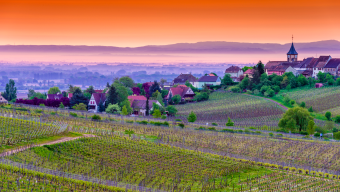
Immerse yourself in the elegance of Alsace , where refinement meets tradition at every turn. Nestled between the majestic Vosges Mountains and the...
 7 Days / 6 Nights
 Alsace
 This tour starts any day of the year.
 From 4644€
 or
or

 6 Comment(s)
Alsace cycling travel is a unique experience as you explore a part of the region that is nestled between the beautiful Vosges Mountains in France and...
7 Days / 6 Nights
Alsace
This tour starts any day of the year.
From 2450€
or
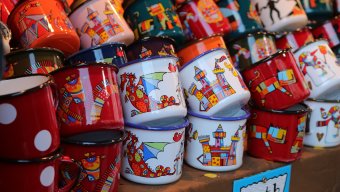
Embark on a whimsical walking tour through the charming villages of Alsace and the famous Christmas Markets. Along your journey you will explore...
7 Days / 6 Nights
Alsace
This tour starts on December 04th 2025 & finish on December 10th 2025.
From 2092€
 or
or
 5 Comment(s)
Hiking in Alsace is a unique experience as you explore a part of the region that is nestled between the beautiful Vosges mountains in France and the...
7 Days / 6 Nights
Alsace
This tour starts any day of the year.
From 2028€
or