







 France Bike Tours
 Europe Bike Tours
 Europe Luxury Bike Tours
 Sunshine Bike Tours
 Epic Cycling




No tours available yet...
No tours available yet...
No tours available yet...



Adventure Vacations
for Couples

European Tours
for Seniors

European Tours
for Families

Group Tours to
Europe

Honeymoon
Europe Tour

Singles Tours
Europe
Alsace Wine Route
Bordeaux
Brittany
Burgundy
Canal du Midi
Champagne
Corsica
Dordogne
Loire Valley
French Riviera
Provence
Normandy
Paris
Pays Basque
Pyrenees
South France
France Castles
Massif Central
Northern France
Prehistoric Caves
WW2 Tours
Alps
Guadeloupe
Belgium
Portugal
Italy
Scotland
Tuscany
Holland
Ireland
Croatia
Switzerland
United Kingdom
Sardinia
Sicily
Puglia
Catalonia
Northern Spain
Atlantic Coast
Baltic States
Nordic States
France Bike Tours
Europe Bike Tours
Europe Luxury Bike Tours
Sunshine Bike Tours
Epic Cycling
Cycling Challenges
Italy
Spain
Holland
United Kingdom
Portugal
Ireland
Switzerland
Croatia
Provence
Loire Valley
Bordeaux
Brittany
Burgundy
Dordogne
Alsace
Massif Central
Italy
Spain
Portugal
Provence
Loire Valley
Bordeaux
Dordogne
Burgundy
Brittany
Alsace
Burgundy
Alsace
Bordeaux
Bordeaux
Burgundy
Alsace
Provence
Loire Valley
Languedoc
Portugal
Provence
Alsace
Dordogne
Loire Valley
Brittany
Burgundy
Normandy
Corsica
Provence
Normandy
Dordogne
Loire Valley
Burgundy
Alsace
Brittany
Corsica
Loire Valley
Provence
Bordeaux
Languedoc
Dordogne
Burgundy
Brittany
Guadeloupe
Loire Valley
Dordogne
Brittany
Provence
French Riviera
Spain
Normandy
Corsica
Atlantic Coast
Loire Valley
Dordogne
Brittany
Provence
French Riviera
Spain
Normandy
Corsica
Atlantic Coast
Provence
Loire Valley
Languedoc
Dordogne
Provence
Loire Valley
Languedoc
Dordogne
Filter by :


 5 Comment(s)
Normandy is an "artist's paradise," wonderful coastline, woodlands and countryside combine to make a fabulous bicycle vacation. Of course,...
 8 Days / 7 Nights
 Normandy
 This tour starts any day of the year.
 From 3168€
 1 Comment(s)
Normandy is an "artist's paradise", wonderful coastline, woodlands and countryside combine to make a fabulous bicycle vacation. Of course,...
5 Days / 4 Nights
Normandy
This tour starts any day of the year.
From 1827€
or

From Caen to St Mere l' Eglise, embark on a WW2 memorial tour of Normandy, cycling along the beaches where the famous landings took place and through...
6 Days / 5 Nights
Normandy
This tour starts any day of the year.
From 2367€

The Véloscénie is a cycle route that starts in Paris and joins the Bay of Mont Saint Michel. On this cycling trip we propose you the second part in 5...
7 Days / 6 Nights
Normandy
This tour starts any day of the year.
From 2425€
 2 Comment(s)
The Véloscénie is a cycle route that starts in Paris and joins the Bay of Mont Saint Michel. This first part in 5 days will allow you to discover Paris,...
7 Days / 6 Nights
Normandy
This tour starts any day of the year.
From 2029€

Normandy is a region of France famous the world over for its history, culture, and gastronomy. On this trip, you explore the 'flowery coast' between...
6 Days / 5 Nights
Normandy
From April to October
From 1078€

Normandy is famous the world over for its World War history and boasts a stunning coastline and pretty rural villages. You begin this trip in Bayeux and...
7 Days / 6 Nights
Normandy
From April to October
From 1595€
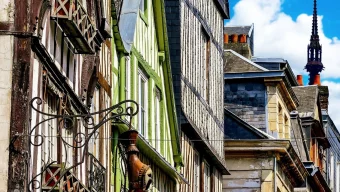
"The Seine by Bike" is a 420 km cycling route connecting Paris to the sea, offering a picturesque adventure along the Seine River. Traverse...
6 Days / 5 Nights
Normandy
This tour starts any day of the year.
From 2101€

Rich in both history and natural beauty, the area of this hiking tour is home to the Normandy landing Beaches and the Bayeux tapestry and several very...
5 Days / 4 Nights
Normandy
This tour starts any day of the year.
From 1457€