No tours available yet...
No tours available yet...
No tours available yet...




Adventure Vacations
for Couples

European Tours
for Seniors

European Tours
for Families

Group Tours to
Europe

Honeymoon
Europe Tour

Singles Tours
Europe
Alsace Wine Route
Bordeaux
Brittany
Burgundy
Canal du Midi
Champagne
Corsica
Dordogne
Loire Valley
French Riviera
Provence
Normandy
Paris
Pays Basque
Pyrenees
South France
France Castles
Massif Central
Northern France
Prehistoric Caves
WW2 Tours
Alps
Guadeloupe
Belgium
Portugal
Italy
Scotland
Tuscany
Holland
Ireland
Croatia
Switzerland
United Kingdom
Sardinia
Sicily
Puglia
Catalonia
Northern Spain
Atlantic Coast
Baltic States
Nordic States
France Bike Tours
Europe Bike Tours
Europe Luxury Bike Tours
Sunshine Bike Tours
Epic Cycling
Cycling Challenges
Italy
Spain
Holland
United Kingdom
Portugal
Ireland
Switzerland
Croatia
Provence
Loire Valley
Bordeaux
Brittany
Burgundy
Dordogne
Alsace
Massif Central
Italy
Spain
Portugal
Provence
Loire Valley
Bordeaux
Dordogne
Burgundy
Brittany
Alsace
Burgundy
Alsace
Bordeaux
Bordeaux
Burgundy
Alsace
Provence
Loire Valley
Languedoc
Portugal
Provence
Alsace
Dordogne
Loire Valley
Brittany
Burgundy
Normandy
Corsica
Provence
Normandy
Dordogne
Loire Valley
Burgundy
Alsace
Brittany
Corsica
Loire Valley
Provence
Bordeaux
Languedoc
Dordogne
Burgundy
Brittany
Guadeloupe
Loire Valley
Dordogne
Brittany
Provence
French Riviera
Spain
Normandy
Corsica
Atlantic Coast
Loire Valley
Dordogne
Brittany
Provence
French Riviera
Spain
Normandy
Corsica
Atlantic Coast
Provence
Loire Valley
Languedoc
Dordogne
Provence
Loire Valley
Languedoc
Dordogne
 In Progress
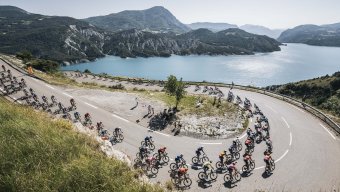
Embark on a VIP cycling adventure from the legendary climbs of the French Alps to the grand finale of the Tour de France in Paris. Ride iconic Alpine...
 7 Days / 6 Nights

 From 21 to 27 July 2026
 From 6500€
 or
or
 In Progress
Discover France, in partnership with Cynisca, invites you to experience an exceptional journey at the heart of the Tour de France Femmes from August...
7 Days / 6 Nights
From 04 August to 10 August 2026
From 11200€
or
 Available
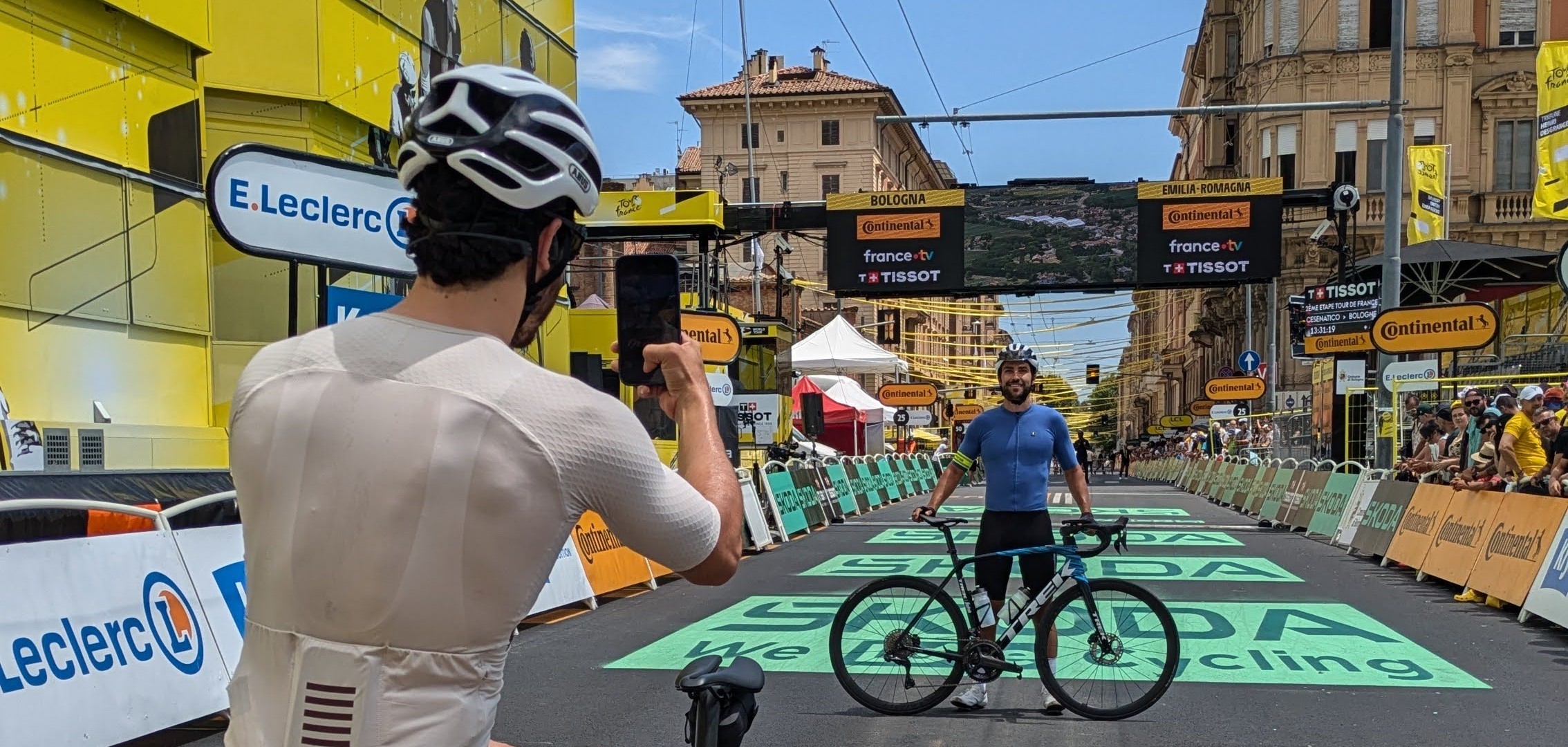
During this tour we offer an exclusive opportunity as a VIP at the finish and start of two stages of the Tour de France. We've taken care to choose a...
2 Days / 1 Nights
From 07/02/2027 to 07/25/2027
From 690€
In France, cyclists are required to follow the same traffic laws as motor vehicle drivers. This adherence ensures safety for all road users and promotes harmonious sharing of public roads.
Equipping your bicycle properly is not only essential for safety but also a legal requirement. Ensure your bike includes:
Brakes: Functional front and rear brakes.
Lights: A white or yellow front light and a red rear light for visibility during low-light conditions.
Reflectors: Red rear reflector, white front reflector, orange pedal reflectors, and wheel reflectors.
Bell: An audible warning device to alert pedestrians and other road users.
Reflective Vest: Cyclists riding at night or in poor visibility outside urban areas must wear a reflective vest.
While helmets are mandatory for children under 12 years old, they are strongly recommended for all cyclists to enhance safety.
When cycling in cities and towns:
Positioning: Ride on the right-hand side, maintaining approximately one meter from the curb and parked vehicles.
Cycle Lanes: Utilize designated cycle paths when available.
Pedestrian Zones: In areas where pedestrians have priority, limit your speed to 20 km/h and always yield to pedestrians.
Sidewalks: Cycling on sidewalks is prohibited for individuals over eight years old.
Visibility: At intersections, position yourself ahead of other vehicles to enhance visibility.
Roundabouts: Yield to traffic approaching from the left unless otherwise indicated.
Road Positioning: Avoid riding too close to the edge to steer clear of debris and uneven surfaces.
Group Riding: When cycling in groups, ride two abreast; however, switch to single file when vehicles are attempting to overtake or on narrow roads.
Familiarity with French road signs is vital for safe navigation.
Cycle Paths: Indicated by specific signage, these paths are designated for cyclists.
Shared Roads: Some roads are shared between cyclists and motor vehicles, marked accordingly.
Directional Signs: Green signs typically indicate routes for cyclists, providing directions and distances.
Cycling under the influence of alcohol is illegal and subject to fines. It’s imperative to remain sober to ensure safety.
Using a mobile phone while cycling is prohibited. If you need to make a call or check navigation, stop safely before doing so.
Right of Way: At intersections without signals, priority is given to vehicles approaching from the right.
Pedestrian Crossings: Always yield to pedestrians at designated crossings.
Non-adherence to traffic laws can result in fines. For instance, failure to equip your bicycle with the required lights can lead to a fine of €11, while more severe infractions may incur higher penalties.
Hand Signals: Clearly indicate your intentions by using hand signals when turning or stopping.
Eye Contact: Make eye contact with drivers at intersections to ensure they have seen you.
Avoid Blind Spots: Stay clear of the blind spots of buses and large vehicles, especially at intersections.
France boasts an extensive network of cycling routes, including:
Voies Vertes (Greenways): Car-free paths ideal for leisurely rides.
Véloroutes: Long-distance routes combining dedicated cycle paths and quiet roads.
EuroVelo Routes: European cycling routes passing through France, such as EuroVelo 6 along the Loire Valley.
Utilizing these routes can enhance safety and provide a more enjoyable cycling experience.
Adhering to France’s cycling regulations not only ensures your safety but also contributes to a harmonious coexistence with other road users. By equipping your bicycle appropriately, understanding road signs, and following traffic laws, you can fully enjoy the rich and diverse landscapes that France offers to cyclists.










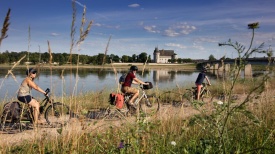 France Bike Tours
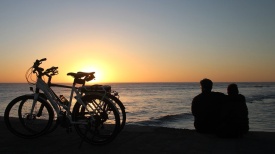 Europe Bike Tours
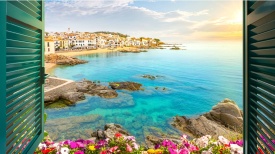 Europe Luxury Bike Tours
 Sunshine Bike Tours
 Epic Cycling