No tours available yet...
No tours available yet...
No tours available yet...



Adventure Vacations
for Couples

European Tours
for Seniors

European Tours
for Families

Group Tours to
Europe

Honeymoon
Europe Tour

Singles Tours
Europe
Alsace Wine Route
Bordeaux
Brittany
Burgundy
Canal du Midi
Champagne
Corsica
Dordogne
Loire Valley
French Riviera
Provence
Normandy
Paris
Pays Basque
Pyrenees
South France
France Castles
Massif Central
Northern France
Prehistoric Caves
WW2 Tours
Alps
Guadeloupe
Belgium
Portugal
Italy
Scotland
Tuscany
Holland
Ireland
Croatia
Switzerland
United Kingdom
Sardinia
Sicily
Puglia
Catalonia
Northern Spain
Atlantic Coast
Baltic States
Nordic States
France Bike Tours
Europe Bike Tours
Europe Luxury Bike Tours
Sunshine Bike Tours
Epic Cycling
Cycling Challenges
Italy
Spain
Holland
United Kingdom
Portugal
Ireland
Switzerland
Croatia
Provence
Loire Valley
Bordeaux
Brittany
Burgundy
Dordogne
Alsace
Massif Central
Italy
Spain
Portugal
Provence
Loire Valley
Bordeaux
Dordogne
Burgundy
Brittany
Alsace
Burgundy
Alsace
Bordeaux
Bordeaux
Burgundy
Alsace
Provence
Loire Valley
Languedoc
Portugal
Provence
Alsace
Dordogne
Loire Valley
Brittany
Burgundy
Normandy
Corsica
Provence
Normandy
Dordogne
Loire Valley
Burgundy
Alsace
Brittany
Corsica
Loire Valley
Provence
Bordeaux
Languedoc
Dordogne
Burgundy
Brittany
Guadeloupe
Loire Valley
Dordogne
Brittany
Provence
French Riviera
Spain
Normandy
Corsica
Atlantic Coast
Loire Valley
Dordogne
Brittany
Provence
French Riviera
Spain
Normandy
Corsica
Atlantic Coast
Provence
Loire Valley
Languedoc
Dordogne
Provence
Loire Valley
Languedoc
Dordogne
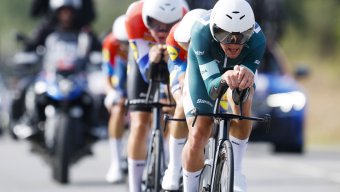
Join Discover France for an exclusive cycling and VIP sports experience on the stunning French Riviera during the opening days of the Vuelta a...
 7 Days / 6 Nights
 Spain
Spain
 From 08/20/2026 to 08/26/2026
 From 5990€

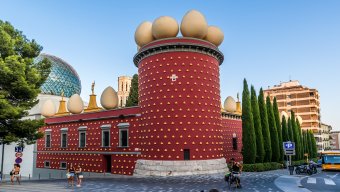
This trip will give you a global view of this interesting and unique region of Catalonia, the Emporda. It has an atmosphere which is unlike any other in...
7 Days / 6 Nights
Spain
No longer available at the moment.
From 1686€
or
 1 Comment(s)
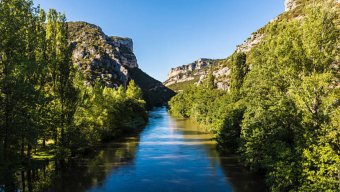
A beautiful tour along the longest river in Spain; from its source in the Cantabrian Mountains through unspoilt countryside, spectacular gorges, and...
8 Days / 7 Nights
Spain
Tour runs from 1 April – 31 October
From 1521€
or
The overall Vuelta 2026 schedule is balanced but clearly favors climbers. Riders will face:
Each stage plays a strategic role within the schedule, ensuring that no single rider type can dominate without consistency.
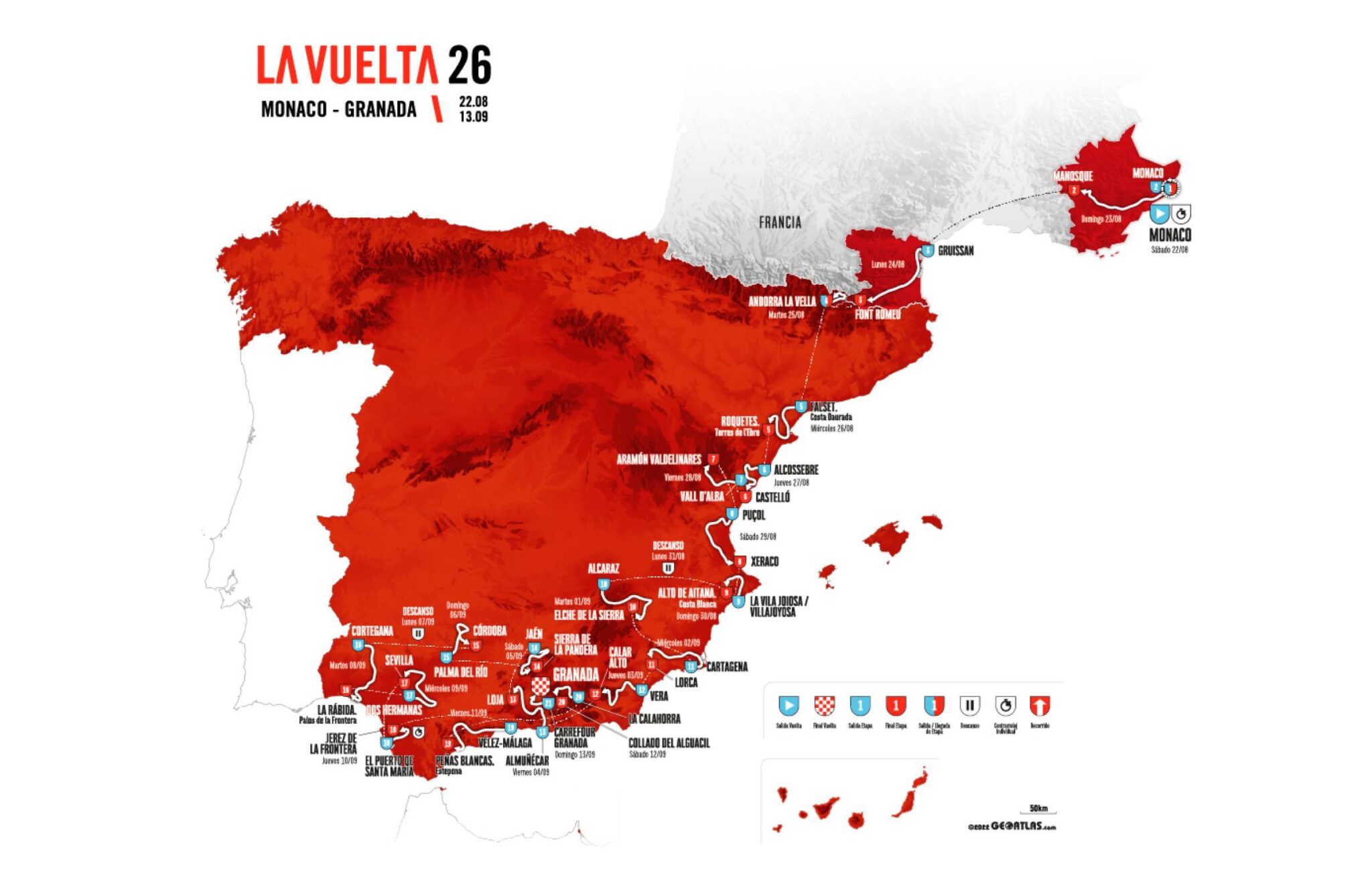
The Vuelta 2026 schedule opens with a short but intense individual time trial in the streets of Monaco. At just 9 km, this first stage immediately creates time gaps and forces GC contenders to show their form from day one.
This opening stage also marks a historic milestone, as Monaco becomes the first city to appear on the schedules of all three Grand Tours.
By Stage 3, the schedule moves into mountainous terrain with an uphill finish in Font-Romeu. The following day, Stage 4 delivers a compact but brutal loop around Andorra, featuring four major climbs including the Port d’Envalira.
These early mountain stages ensure that the general classification is already under pressure before the first rest day.
The middle portion of the Vuelta 2026 schedule is marked by long distances and punishing conditions. Summit finishes at Alto de Aitana (Stage 9) and Calar Alto (Stage 12) combine altitude with extreme heat, creating stages where energy management is critical.
By this point in the schedule, fatigue begins to influence tactics and team dynamics.
The climb to Sierra de La Pandera in Stage 14 is notorious for its irregular gradients. Positioned perfectly within the schedule, this stage invites attacks from riders seeking to gain time before the final week.
Stage 18 offers the final individual time trial of the Vuelta 2026 schedule. The flat 32.5 km route between El Puerto de Santa María and Jerez de la Frontera provides a rare opportunity for specialists to regain time before the decisive mountain stages.
The penultimate stage to Collado del Alguacil is arguably the most brutal in the entire schedule. With gradients exceeding 20%, this stage arrives when fatigue is at its peak and can completely overturn the general classification.
The Vuelta 2026 schedule concludes with a flat and celebratory stage in Granada. Set against the iconic Alhambra, the final stage provides a symbolic and cultural finish to a physically demanding three-week race.











 France Bike Tours
 Europe Bike Tours
 Europe Luxury Bike Tours
 Sunshine Tours
 Epic Cycling