No tours available yet...
No tours available yet...
No tours available yet...


Adventure Vacations
for Couples

European Tours
for Seniors

European Tours
for Families

Group Tours to
Europe

Honeymoon
Europe Tour

Singles Tours
Europe
Alsace Wine Route
Bordeaux
Brittany
Burgundy
Canal du Midi
Champagne
Corsica
Dordogne
Loire Valley
French Riviera
Provence
Normandy
Paris
Pays Basque
Pyrenees
South France
France Castles
Massif Central
Northern France
Prehistoric Caves
WW2 Tours
Alps
Guadeloupe
Belgium
Portugal
Italy
Scotland
Tuscany
Holland
Ireland
Croatia
Switzerland
United Kingdom
Sardinia
Sicily
Puglia
Catalonia
Northern Spain
Atlantic Coast
Baltic States
Nordic States
France Bike Tours
Europe Bike Tours
Europe Luxury Bike Tours
Sunshine Bike Tours
Epic Cycling
Cycling Challenges
Italy
Spain
Holland
United Kingdom
Portugal
Ireland
Switzerland
Croatia
Provence
Loire Valley
Bordeaux
Brittany
Burgundy
Dordogne
Alsace
Massif Central
Italy
Spain
Portugal
Provence
Loire Valley
Bordeaux
Dordogne
Burgundy
Brittany
Alsace
Burgundy
Alsace
Bordeaux
Bordeaux
Burgundy
Alsace
Provence
Loire Valley
Languedoc
Portugal
Provence
Alsace
Dordogne
Loire Valley
Brittany
Burgundy
Normandy
Corsica
Provence
Normandy
Dordogne
Loire Valley
Burgundy
Alsace
Brittany
Corsica
Loire Valley
Provence
Bordeaux
Languedoc
Dordogne
Burgundy
Brittany
Guadeloupe
Loire Valley
Dordogne
Brittany
Provence
French Riviera
Spain
Normandy
Corsica
Atlantic Coast
Loire Valley
Dordogne
Brittany
Provence
French Riviera
Spain
Normandy
Corsica
Atlantic Coast
Provence
Loire Valley
Languedoc
Dordogne
Provence
Loire Valley
Languedoc
Dordogne
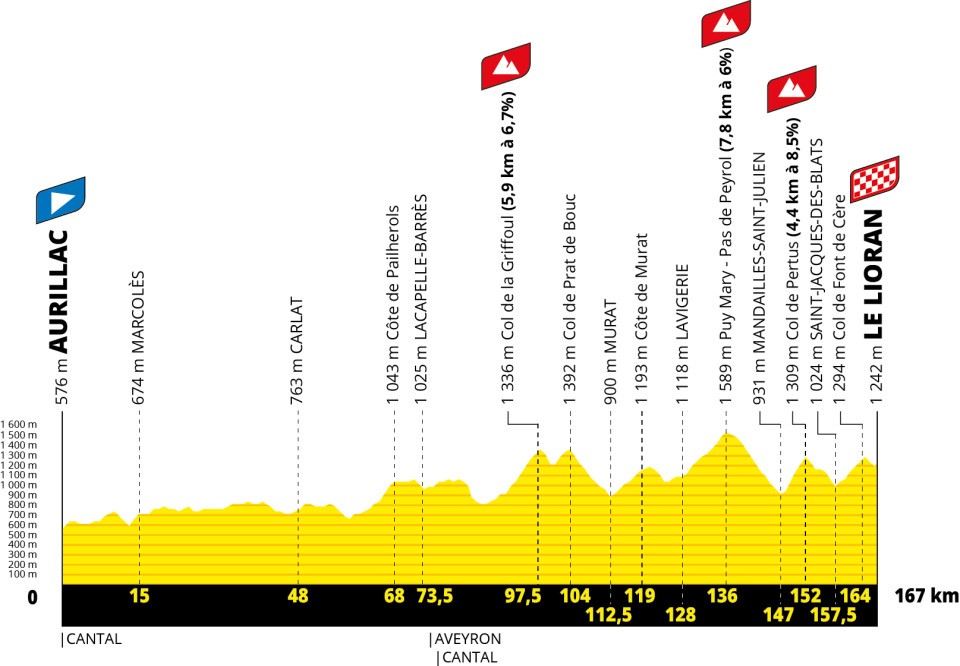
Although relatively short by Tour standards, stage 10 concentrates nearly 3,900 meters of elevation gain. The terrain is unforgiving, with constant ascents and descents that prevent the peloton from settling into a steady rhythm.
After the rest day spent in the region, riders return to competition immediately at full intensity. This is a stage where form is revealed instantly, and where leaders must be ready from the first climb.
The start will be given in Aurillac, prefecture of the Cantal, hosting a Tour de France stage for the tenth time. The peloton will roll out from the cours Monthyon, in front of the departmental council, highlighting the strong bond between the territory and the race.
Very early on, the riders enter the rugged atmosphere of the Massif Central. Around kilometer 15, the passage through Marcolès offers a nod to local cycling tradition and the town’s historic criterium.
The route of stage 10 traces a tight loop around the Cantal volcano, creating a spiral-like profile. This geographical layout produces a near-continuous sequence of climbs and descents, with no true recovery sections.
From Aurillac, the road heads towards Carlat, Lacapelle-Barrès, and Murat, before the stage truly ignites. Each climb feeds into the next, gradually wearing down the peloton.
One of the most intriguing features of the route is the Col de la Griffoul, a climb rarely used by the Tour de France and absent from the race since 1975. Its irregular profile—mixing steep ramps with deceptive flatter sections—makes it difficult to read and potentially dangerous.
Placed just after the halfway point, the Griffoul comes when fatigue is already setting in. It is perfectly positioned for a long-range attack or for teams to start applying serious pressure.
A major tactical novelty of stage 10 is the ascent of the Pas de Peyrol via the Dienne side, approached from Murat. Unlike previous routes to Le Lioran, the Tour avoids the Falgoux side this time.
This version of the climb remains demanding, with sustained gradients close to 8%, but its more regular profile favors steady pacing over explosive attacks. Differences can be made through endurance and effort management rather than sharp accelerations.










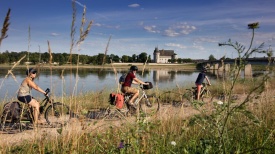 France Bike Tours
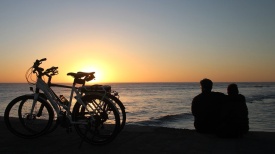 Europe Bike Tours
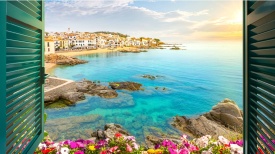 Europe Luxury Bike Tours
 Sunshine Tours
 Epic Cycling



 5 Days / 4 Nights
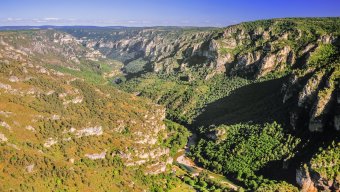
 Massif Central
 This tour starts any day of the year. We do not recommend doing this trip during July and August due to heavy traffic on the road.
 From 2077€