No tours available yet...
No tours available yet...
No tours available yet...


Adventure Vacations
for Couples

European Tours
for Seniors

European Tours
for Families

Group Tours to
Europe

Honeymoon
Europe Tour

Singles Tours
Europe
Alsace Wine Route
Bordeaux
Brittany
Burgundy
Canal du Midi
Champagne
Corsica
Dordogne
Loire Valley
French Riviera
Provence
Normandy
Paris
Pays Basque
Pyrenees
South France
France Castles
Massif Central
Northern France
Prehistoric Caves
WW2 Tours
Alps
Guadeloupe
Belgium
Portugal
Italy
Scotland
Tuscany
Holland
Ireland
Croatia
Switzerland
United Kingdom
Sardinia
Sicily
Puglia
Catalonia
Northern Spain
Atlantic Coast
Baltic States
Nordic States
France Bike Tours
Europe Bike Tours
Europe Luxury Bike Tours
Sunshine Bike Tours
Epic Cycling
Cycling Challenges
Italy
Spain
Holland
United Kingdom
Portugal
Ireland
Switzerland
Croatia
Provence
Loire Valley
Bordeaux
Brittany
Burgundy
Dordogne
Alsace
Massif Central
Italy
Spain
Portugal
Provence
Loire Valley
Bordeaux
Dordogne
Burgundy
Brittany
Alsace
Burgundy
Alsace
Bordeaux
Bordeaux
Burgundy
Alsace
Provence
Loire Valley
Languedoc
Portugal
Provence
Alsace
Dordogne
Loire Valley
Brittany
Burgundy
Normandy
Corsica
Provence
Normandy
Dordogne
Loire Valley
Burgundy
Alsace
Brittany
Corsica
Loire Valley
Provence
Bordeaux
Languedoc
Dordogne
Burgundy
Brittany
Guadeloupe
Loire Valley
Dordogne
Brittany
Provence
French Riviera
Spain
Normandy
Corsica
Atlantic Coast
Loire Valley
Dordogne
Brittany
Provence
French Riviera
Spain
Normandy
Corsica
Atlantic Coast
Provence
Loire Valley
Languedoc
Dordogne
Provence
Loire Valley
Languedoc
Dordogne
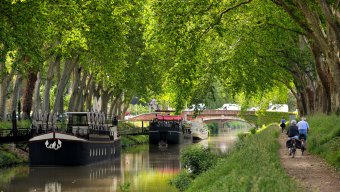
This trip brings you along the most beautiful sites along the Canal that links the Mediterranean and the Atlantic Ocean on safe cycle paths. Take your...
 8 Days / 7 Nights
 Languedoc
 This tour starts any day of the year. Note : Parts of the Canal du Midi are on a dirt path with some technical sections.
 From 2140€
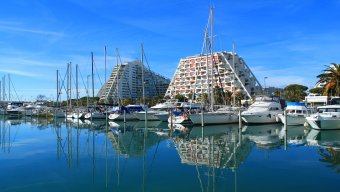
Discover sunny the Languedoc Department on another fabulous route that takes you off the beaten path - once again ! This is our playground - our office...
8 Days / 7 Nights
Languedoc
This tour starts any day of the year.
From 2586€
or
 1 Comment(s)
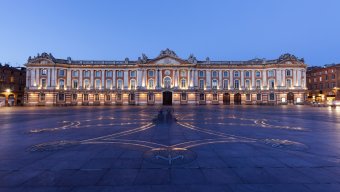
Starting from the famous "pink city" Toulouse, your trip will take you along the UNESCO World Heritage site of Canal du Midi that links the...
7 Days / 6 Nights
Languedoc
This tour starts any day of the year
From 2740€
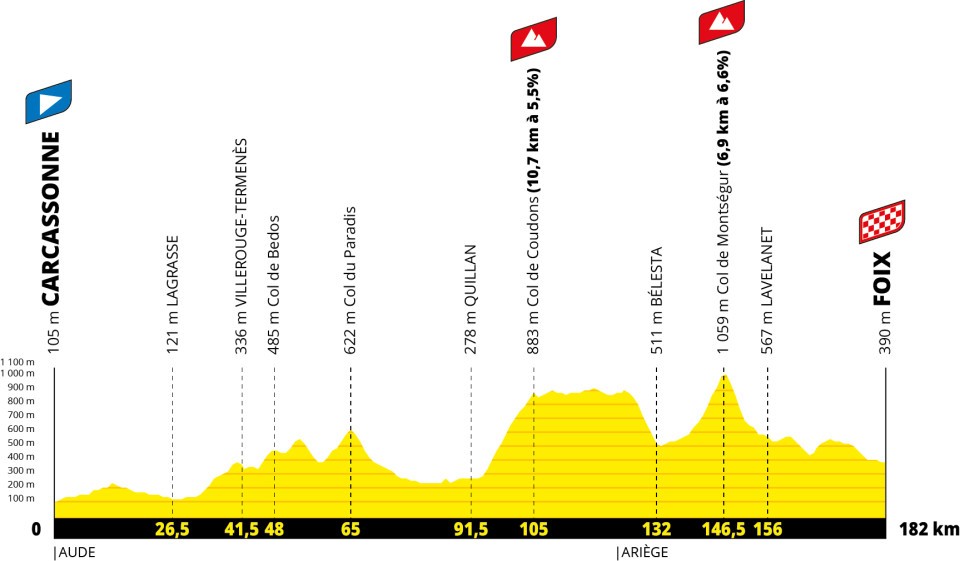
The route connects two historical gems: Carcassonne, a UNESCO-listed medieval city, and Foix, a charming Pyrenean town overlooked by a hilltop castle. Riders will traverse the rolling terrain of Occitanie, crossing rural valleys, wooded ridges, and sunflower-filled fields. With a mix of flat stretches, undulating hills, and a potentially decisive third-category climb near the end, this stage is anything but straightforward.
| Stage Detail | Information |
|---|---|
| Date | Tuesday, July 7 2026 |
| Distance | 182 km |
| Start Location | Carcassonne (Aude) |
| Finish Location | Foix (Ariège) |
| Stage Type | Rolling / Intermediate |
| Climbs | 1 confirmed (Col de Py), others possible |
| Potential Winners | Breakaway specialists, punchy sprinters, local riders |










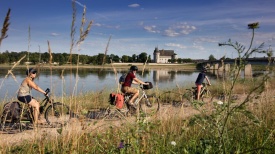 France Bike Tours
 Europe Bike Tours
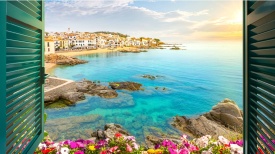 Europe Luxury Bike Tours
 Sunshine Tours
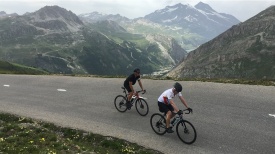 Epic Cycling