No tours available yet...
No tours available yet...
No tours available yet...



Adventure Vacations
for Couples

European Tours
for Seniors

European Tours
for Families

Group Tours to
Europe

Honeymoon
Europe Tour

Singles Tours
Europe
Alsace Wine Route
Bordeaux
Brittany
Burgundy
Canal du Midi
Champagne
Corsica
Dordogne
Loire Valley
French Riviera
Provence
Normandy
Paris
Pays Basque
Pyrenees
South France
France Castles
Massif Central
Northern France
Prehistoric Caves
WW2 Tours
Alps
Guadeloupe
Belgium
Portugal
Italy
Scotland
Tuscany
Holland
Ireland
Croatia
Switzerland
United Kingdom
Sardinia
Sicily
Puglia
Catalonia
Northern Spain
Atlantic Coast
Baltic States
Nordic States
France Bike Tours
Europe Bike Tours
Europe Luxury Bike Tours
Sunshine Bike Tours
Epic Cycling
Cycling Challenges
Italy
Spain
Holland
United Kingdom
Portugal
Ireland
Switzerland
Croatia
Provence
Loire Valley
Bordeaux
Brittany
Burgundy
Dordogne
Alsace
Massif Central
Italy
Spain
Portugal
Provence
Loire Valley
Bordeaux
Dordogne
Burgundy
Brittany
Alsace
Burgundy
Alsace
Bordeaux
Bordeaux
Burgundy
Alsace
Provence
Loire Valley
Languedoc
Portugal
Provence
Alsace
Dordogne
Loire Valley
Brittany
Burgundy
Normandy
Corsica
Provence
Normandy
Dordogne
Loire Valley
Burgundy
Alsace
Brittany
Corsica
Loire Valley
Provence
Bordeaux
Languedoc
Dordogne
Burgundy
Brittany
Guadeloupe
Loire Valley
Dordogne
Brittany
Provence
French Riviera
Spain
Normandy
Corsica
Atlantic Coast
Loire Valley
Dordogne
Brittany
Provence
French Riviera
Spain
Normandy
Corsica
Atlantic Coast
Provence
Loire Valley
Languedoc
Dordogne
Provence
Loire Valley
Languedoc
Dordogne
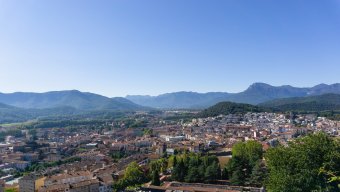
From Olot area surrounded by mountains and volcanoes to the seaside in San Feliu de Guixols, you will discover on this trip the most beautiful and...
 6 Days / 5 Nights
 Spain
Spain
 This tour starts any day of the year.
 From 1843€
 or
or
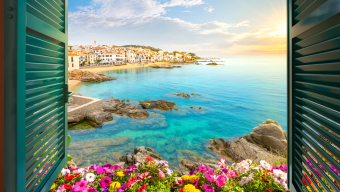
From city to sea to countryside, this trip is the best way to discover the Spanish Catalonia. You will see it all; enchanting landscapes, medieval...
8 Days / 7 Nights
Spain
This tour starts any day of the year.
From 2043€

Join Discover France for an exclusive cycling and VIP sports experience on the stunning French Riviera during the opening days of the Vuelta a...
7 Days / 6 Nights
Spain
From 08/20/2026 to 08/26/2026
From 5990€

Set for Sunday, July 5 2026, this stage presents a dynamic route that shifts from scenic coastal flats to explosive urban climbs. Starting in the Roman coastal gem of Tarragona and finishing on the iconic slopes of Montjuïc in Barcelona, this leg is a powerful mix of beauty and brutality. While early kilometers may seem like a breeze, the final third offers a punishing test for explosive climbers and tacticians.
| Stage Details | Information |
|---|---|
| Date | Sunday, July 5 2026 |
| Start | Tarragona, Spain |
| Finish | Barcelona – Montjuïc Hill |
| Distance | Approximately 182 km |
| Stage Type | Flat-to-hilly with a steep final circuit |
| Target Riders | Puncheurs, classics specialists, strong climbers with explosive power |











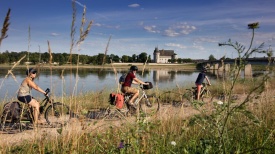 France Bike Tours
 Europe Bike Tours
 Europe Luxury Bike Tours
 Sunshine Tours
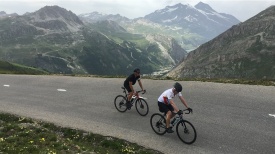 Epic Cycling