TRAVEL GUIDE

|

US/CA: 1-800-929-0152

|

AUS: 1-80068236710

REQUEST A CALL

France Bike Tours
Europe Bike Tours
Europe Luxury Bike Tours
Epic Cycling
Cycling Challenges
Italy
Spain
Holland
United Kingdom
Portugal
Ireland
Switzerland
Croatia
Baltic States
Adventure Vacations
for Couples
European Tours
for Seniors
European Tours
for Families
Group Tours to
Europe
Honeymoon
Europe Tour
Singles Tours
Europe
Tour de France
2026 Tickets
Tour de France
2026 Packages

Stage 11 Of The Tour De France 2026: A High-Speed Journey Between Vichy And Nevers

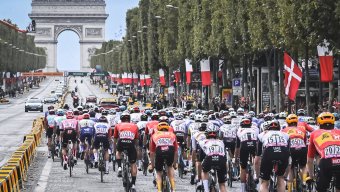
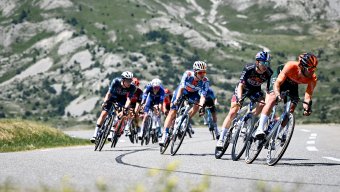
Stage 11 of the Tour de France 2026 promises to be a defining moment for sprinters and a strategic battle for teams aiming to control the pace of the race. With a flat profile cutting through the heart of France, this route from the spa town of Vichy to the riverside city of Nevers offers more than just a breather between mountain stages. It’s a fast, tactical, and potentially unpredictable ride that embodies the ever-changing nature of the Tour.

Key facts about stage 11 of the Tour de France 2026

AspectDetails
DateWednesday, July 15, 2026
Start locationVichy (Allier)
Finish locationNevers (Nièvre)
Total distance161 km
Stage typeFlat stage – suited for sprinters
Intermediate sprintsMoulins, La Machine

Vichy marks its return with style

After more than seven decades, Vichy is back in the Tour de France spotlight. This elegant spa town in the Allier department last featured in 1952 and now serves as the launchpad for a decisive stage in 2026. Beyond its cycling relevance, Vichy is a cultural gem, known for its Belle Époque architecture, thermal heritage, and leafy riverside promenades.

For travelers on two wheels, Vichy is more than a starting line. It’s an inviting base for discovering central France by bike, blending historic ambiance with scenic tranquility before the race action begins.

Flat profile with underlying tension

On paper, stage 11 appears as a calm interlude between the climbs of the Massif Central and future mountain challenges. But this kind of flat terrain demands sharp focus. The route cuts across open fields and long straight roads where wind is always a threat.

Riders and teams must remain alert throughout. The absence of hills doesn’t mean an absence of danger — crashes, crosswinds, or loss of concentration can all create serious splits in the peloton.

Stage 11 terrain characteristics

  • Primarily flat with gentle rolling sections
  • Long exposed stretches ideal for echelons
  • Fast-moving with minimal technical challenges

Intermediate sprints add tactical layers

The stage includes two intermediate sprints that carry significant weight in the points classification. Sprinters targeting the green jersey will fight to collect points in Moulins and La Machine before preparing for the grand finale in Nevers.
Location Key purpose
Moulins Main opportunity for points in early mid-stage
La Machine Crucial for peloton control and positioning

Controlling the race: team strategies in focus

Sprinters’ teams will be expected to take charge of the stage from early on. Their task is to monitor any breakaway attempts, keep the race tempo high, and prepare the lead-out trains in the final kilometers. However, maintaining control is no easy task, especially if wind conditions open the door to late-stage drama. While solo escapees rarely succeed on such terrain, their presence keeps the peloton active and the rhythm fast. And with the Tour’s unpredictable nature, no team can afford to underestimate the day’s challenges.

Arrival in Nevers: a textbook sprint finale

Nevers, nestled along the Loire River, will welcome the Tour for the fourth time in its history. Its last finish in 2003 ended in a powerful sprint, and the 2026 edition is expected to follow suit. Wide boulevards and smooth tarmac make it an ideal canvas for a high-speed finale.
The final run-in to the finish line near the Parc des Expositions favors well-organized sprint trains. Positioning will be everything — one missed wheel or a poorly timed move could mean losing the stage in the blink of an eye.

Final sprint features

  • Broad, straight avenues for clean sprints
  • Few sharp turns in the final kilometers
  • Finish line well suited to high-speed lead-outs

A classic Tour stage with modern challenges

Stage 11 is a quintessential example of how the Tour de France blends heritage and modern competition. From the return of historic towns like Vichy to the dramatic pacing of modern sprint stages, this day is a tribute to both past and present cycling culture. For fans, it’s a perfect stage to witness speed, teamwork, and possibly chaos. For riders, it’s about seizing the moment — or surviving it unscathed. And for cycling travelers, this route between Vichy and Nevers is an excellent segment to explore France’s central regions on two wheels, with a taste of Tour de France magic in every village passed.

FAQ about stage 11 of the Tour de France 2026

What type of riders is stage 11 designed for?

This stage is tailored for sprinters. Its flat profile and wide finish make it ideal for powerful riders who can accelerate explosively in the final meters.

Can general classification contenders lose time?

Yes, especially if the wind causes echelons or if there are crashes in the final stretch. GC teams must stay vigilant and protect their leaders throughout the stage.

How does the route impact team tactics?

Teams with sprint ambitions will aim to control breakaways and organize a lead-out in the final kilometers. Wind and road positioning are key tactical elements for all squads.

Is this stage good for spectators?

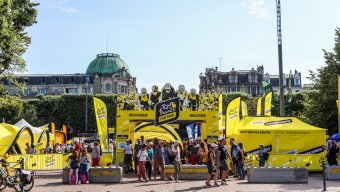
Absolutely. The start in Vichy and the finish in Nevers are both accessible, scenic, and equipped with facilities to welcome fans. The flat terrain also makes it easier to follow the race from the roadside.

Why are intermediate sprints important on this stage?

They offer valuable points for the green jersey competition. Even if the stage ends in a bunch sprint, early points can influence the overall standings in the points classification.
Avatar photo

This article was written by

Sophie

Sophie specializes in sustainable travel and slow tourism. She explores the environmental impact of cycling holidays, promotes eco-conscious gear, and shares stories that celebrate the harmony between nature, heritage, and human-powered exploration.