No tours available yet...
No tours available yet...
No tours available yet...


Adventure Vacations
for Couples

European Tours
for Seniors

European Tours
for Families

Group Tours to
Europe

Honeymoon
Europe Tour

Singles Tours
Europe
Alsace Wine Route
Bordeaux
Brittany
Burgundy
Canal du Midi
Champagne
Corsica
Dordogne
Loire Valley
French Riviera
Provence
Normandy
Paris
Pays Basque
Pyrenees
South France
France Castles
Massif Central
Northern France
Prehistoric Caves
WW2 Tours
Alps
Guadeloupe
Belgium
Portugal
Italy
Scotland
Tuscany
Holland
Ireland
Croatia
Switzerland
United Kingdom
Sardinia
Sicily
Puglia
Catalonia
Northern Spain
Atlantic Coast
Baltic States
Nordic States
France Bike Tours
Europe Bike Tours
Europe Luxury Bike Tours
Sunshine Bike Tours
Epic Cycling
Cycling Challenges
Italy
Spain
Holland
United Kingdom
Portugal
Ireland
Switzerland
Croatia
Provence
Loire Valley
Bordeaux
Brittany
Burgundy
Dordogne
Alsace
Massif Central
Italy
Spain
Portugal
Provence
Loire Valley
Bordeaux
Dordogne
Burgundy
Brittany
Alsace
Burgundy
Alsace
Bordeaux
Bordeaux
Burgundy
Alsace
Provence
Loire Valley
Languedoc
Portugal
Provence
Alsace
Dordogne
Loire Valley
Brittany
Burgundy
Normandy
Corsica
Provence
Normandy
Dordogne
Loire Valley
Burgundy
Alsace
Brittany
Corsica
Loire Valley
Provence
Bordeaux
Languedoc
Dordogne
Burgundy
Brittany
Guadeloupe
Loire Valley
Dordogne
Brittany
Provence
French Riviera
Spain
Normandy
Corsica
Atlantic Coast
Loire Valley
Dordogne
Brittany
Provence
French Riviera
Spain
Normandy
Corsica
Atlantic Coast
Provence
Loire Valley
Languedoc
Dordogne
Provence
Loire Valley
Languedoc
Dordogne
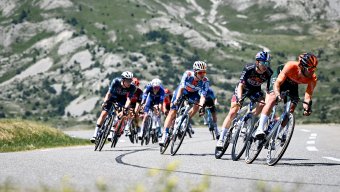
Embark on a VIP cycling adventure from the legendary climbs of the French Alps to the grand finale of the Tour de France in Paris. Ride iconic Alpine...
 7 Days / 6 Nights
 Alps
Alps
 From 21 to 27 July 2026
 From 6500€
 or
or
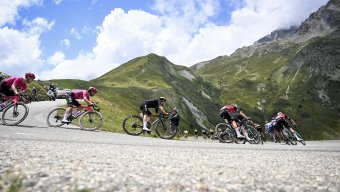
Experience the Tour de France like never before with a luxury VIP journey from the majestic Alps to the iconic Champs-Élysées. Begin in Lyon with a...
5 Days / 4 Nights
Alps
From 23 July to 27 July 2026
From 4090€

Experience the legend of the Grande Boucle by riding the very same roads, tackling the iconic climbs, and feeling the intensity of the Tour de France...
4 Days / 3 Nights
Alps
From 17 to 20 July 2026
From 2480€
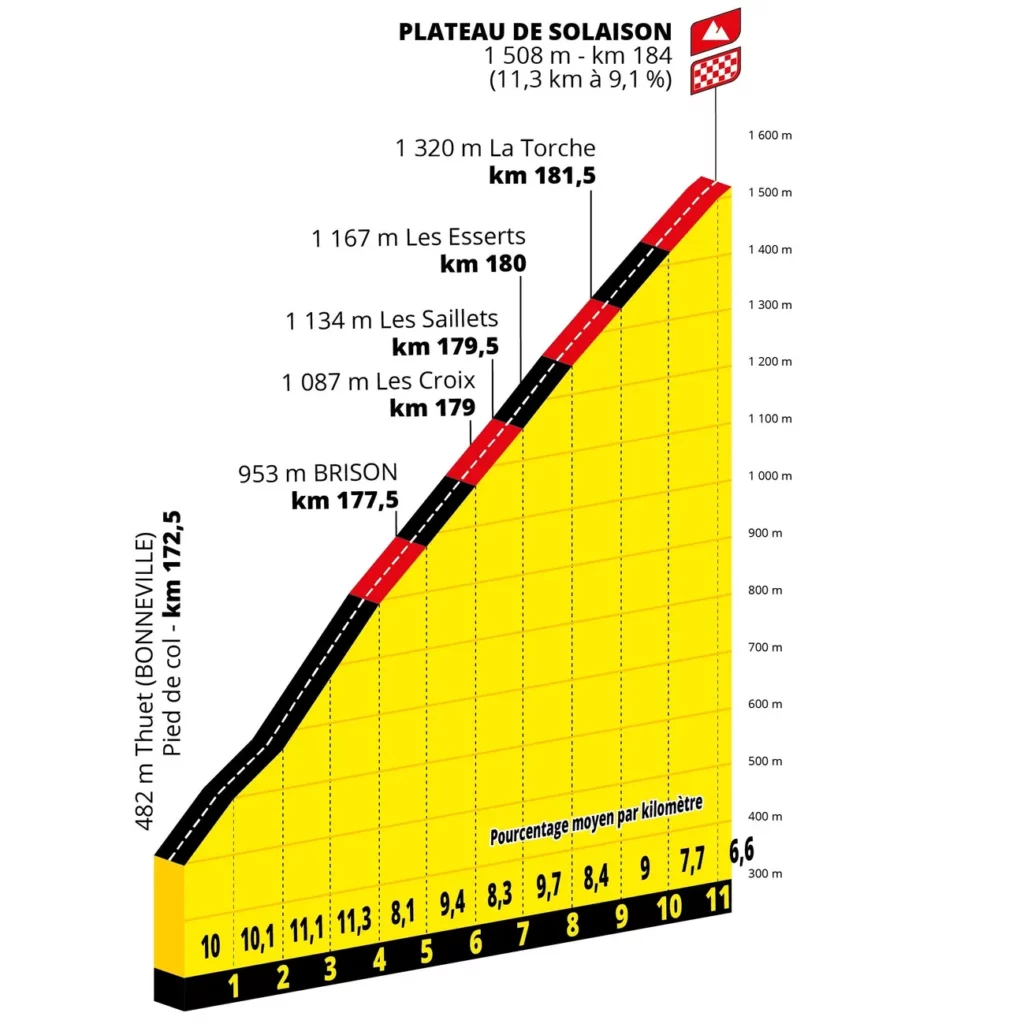 What makes this Alpine journey so dramatic is not just the numbers — although 2 climbs rated Hors Catégorie and gradients tipping over 11% certainly command respect. It is the positioning of the stage, at the very heart of the final week, that creates the pressure. With Paris still distant but visible on the horizon, those with podium ambitions can’t afford to hesitate.
| Detail | Information |
|---|---|
| Stage | 15 |
| Date | Sunday, July 19, 2026 |
| Start | Champagnole (Jura) |
| Finish | Plateau de Solaison (Haute-Savoie) |
| Distance | 184 km |
| Total elevation gain | Over 4,000 m |
| Stage type | High mountain stage with summit finish |
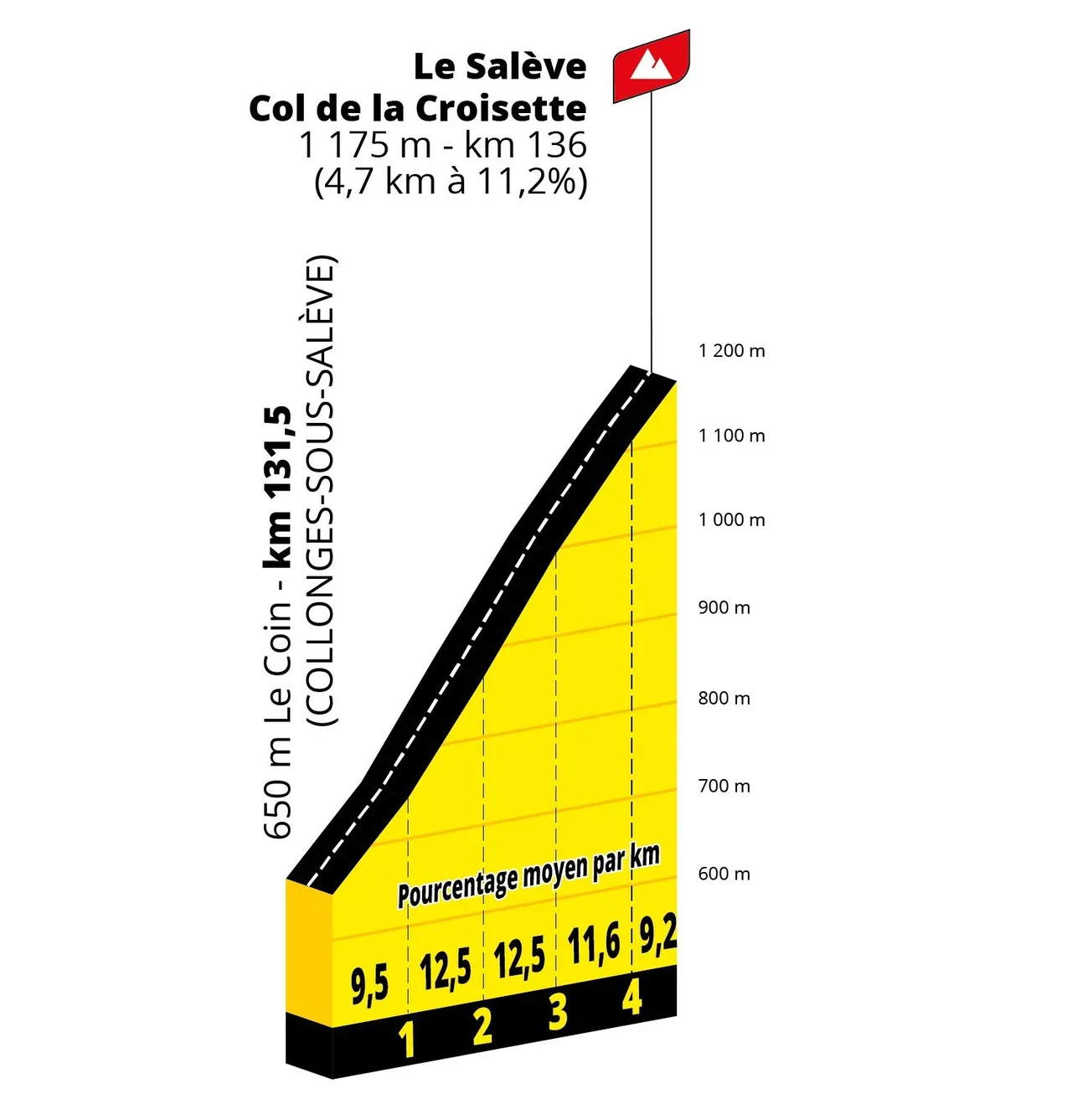 This long lead-in is deceptive. Riders will need to manage their energy carefully, as the final 40 kilometers are as brutal as any mountain test in recent Tour memory. What begins with rolling roads turns into a vertical wall of pain.
| Climb | Length | Average gradient | Category |
|---|---|---|---|
| Col de la Croisette | 5 km | 11.2% | Hors Catégorie |
| Plateau de Solaison | 11.3 km | 9.1% | Hors Catégorie |










 France Bike Tours
 Europe Bike Tours
 Europe Luxury Bike Tours
 Sunshine Tours
 Epic Cycling