No tours available yet...
No tours available yet...
No tours available yet...




Adventure Vacations
for Couples

European Tours
for Seniors

European Tours
for Families

Group Tours to
Europe

Honeymoon
Europe Tour

Singles Tours
Europe
Alsace Wine Route
Bordeaux
Brittany
Burgundy
Canal du Midi
Champagne
Corsica
Dordogne
Loire Valley
French Riviera
Provence
Normandy
Paris
Pays Basque
Pyrenees
South France
France Castles
Massif Central
Northern France
Prehistoric Caves
WW2 Tours
Alps
Guadeloupe
Belgium
Portugal
Italy
Scotland
Tuscany
Holland
Ireland
Croatia
Switzerland
United Kingdom
Sardinia
Sicily
Puglia
Catalonia
Northern Spain
Atlantic Coast
Baltic States
Nordic States
France Bike Tours
Europe Bike Tours
Europe Luxury Bike Tours
Sunshine Bike Tours
Epic Cycling
Cycling Challenges
Italy
Spain
Holland
United Kingdom
Portugal
Ireland
Switzerland
Croatia
Provence
Loire Valley
Bordeaux
Brittany
Burgundy
Dordogne
Alsace
Massif Central
Italy
Spain
Portugal
Provence
Loire Valley
Bordeaux
Dordogne
Burgundy
Brittany
Alsace
Burgundy
Alsace
Bordeaux
Bordeaux
Burgundy
Alsace
Provence
Loire Valley
Languedoc
Portugal
Provence
Alsace
Dordogne
Loire Valley
Brittany
Burgundy
Normandy
Corsica
Provence
Normandy
Dordogne
Loire Valley
Burgundy
Alsace
Brittany
Corsica
Loire Valley
Provence
Bordeaux
Languedoc
Dordogne
Burgundy
Brittany
Guadeloupe
Loire Valley
Dordogne
Brittany
Provence
French Riviera
Spain
Normandy
Corsica
Atlantic Coast
Loire Valley
Dordogne
Brittany
Provence
French Riviera
Spain
Normandy
Corsica
Atlantic Coast
Provence
Loire Valley
Languedoc
Dordogne
Provence
Loire Valley
Languedoc
Dordogne
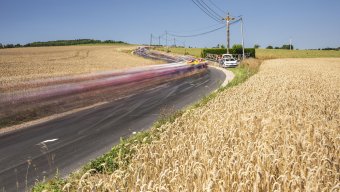
Immerse yourself in the heart of the Tour de France with an exclusive VIP experience combining luxury, excitement, and authentic French discovery. From...
 4 Days / 3 Nights
 Pyrenees
 From 08 July to 11 July 2026
 From 2990€
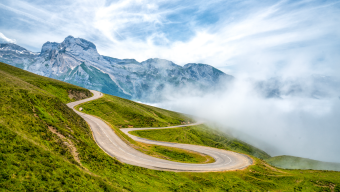
Explore Pyrenees in a unique and prestigious way on this bike tour. Your adventure begins with the ascent of the steep slopes of Hautacam, offering...
7 Days / 6 Nights
Pyrenees
From August 16th to August 22th
From 4200€

 1 Comment(s)
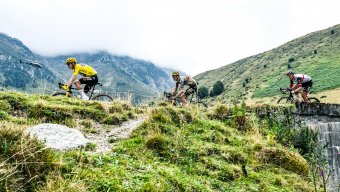
This 7-day program in the heart of the Pyrenees offers an unforgettable immersion into the spirit of the Tour de France 2026. Surrounded by dramatic...
7 Days / 6 Nights
Pyrenees
From 06 to 12 July 2026
From 6500€
or











 France Bike Tours
 Europe Bike Tours
 Europe Luxury Bike Tours
 Sunshine Tours
 Epic Cycling