No tours available yet...
No tours available yet...
No tours available yet...



Adventure Vacations
for Couples

European Tours
for Seniors

European Tours
for Families

Group Tours to
Europe

Honeymoon
Europe Tour

Singles Tours
Europe
Alsace Wine Route
Bordeaux
Brittany
Burgundy
Canal du Midi
Champagne
Corsica
Dordogne
Loire Valley
French Riviera
Provence
Normandy
Paris
Pays Basque
Pyrenees
South France
France Castles
Massif Central
Northern France
Prehistoric Caves
WW2 Tours
Alps
Guadeloupe
Belgium
Portugal
Italy
Scotland
Tuscany
Holland
Ireland
Croatia
Switzerland
United Kingdom
Sardinia
Sicily
Puglia
Catalonia
Northern Spain
Atlantic Coast
Baltic States
Nordic States
France Bike Tours
Europe Bike Tours
Europe Luxury Bike Tours
Sunshine Bike Tours
Epic Cycling
Cycling Challenges
Italy
Spain
Holland
United Kingdom
Portugal
Ireland
Switzerland
Croatia
Provence
Loire Valley
Bordeaux
Brittany
Burgundy
Dordogne
Alsace
Massif Central
Italy
Spain
Portugal
Provence
Loire Valley
Bordeaux
Dordogne
Burgundy
Brittany
Alsace
Burgundy
Alsace
Bordeaux
Bordeaux
Burgundy
Alsace
Provence
Loire Valley
Languedoc
Portugal
Provence
Alsace
Dordogne
Loire Valley
Brittany
Burgundy
Normandy
Corsica
Provence
Normandy
Dordogne
Loire Valley
Burgundy
Alsace
Brittany
Corsica
Loire Valley
Provence
Bordeaux
Languedoc
Dordogne
Burgundy
Brittany
Guadeloupe
Loire Valley
Dordogne
Brittany
Provence
French Riviera
Spain
Normandy
Corsica
Atlantic Coast
Loire Valley
Dordogne
Brittany
Provence
French Riviera
Spain
Normandy
Corsica
Atlantic Coast
Provence
Loire Valley
Languedoc
Dordogne
Provence
Loire Valley
Languedoc
Dordogne
 5 Comment(s)
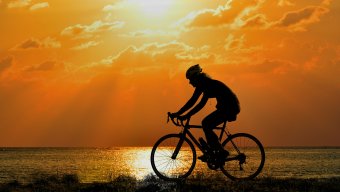
This cycling tour of Bordeaux and the Aquitaine vineyards include some of the most famous wines : Saint Emilion, Entre Deux Mers, and other small wine...
 8 Days / 7 Nights
 Bordeaux
 This tour starts any day of the year.
 From 2011€
 or
or
 1 Comment(s)
The tour of Gironde is a cycling trip that will allow you to discover Bordeaux, its great vineyards, the Gironde estuary, Blaye with its medieval city...
8 Days / 7 Nights
Bordeaux
This tour starts any day of the year.
From 2331€
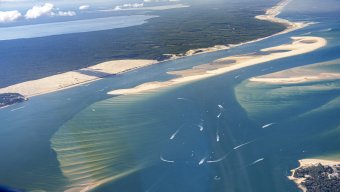
A stroll around the Bay of Arcachon is the ideal stay to make in family. The tour of the Bassin d'Arcachon, composed mainly of bicycle paths and totally...
5 Days / 4 Nights
Bordeaux
Available On Request.
From 1995€
What makes Bordeaux particularly attractive for a cycling vacation is the variety packed into a relatively compact area. Distances between villages are manageable, the terrain is generally accessible, and cycling allows you to experience the landscape at exactly the right pace. Instead of simply passing vineyards through a car window, you can hear the sounds of the countryside, stop in small villages, visit local producers and take time to appreciate the architecture of the wine estates.
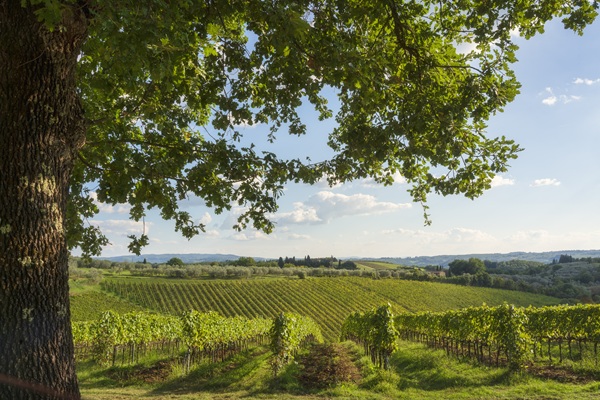
The Bordeaux region can be divided into several excellent cycling areas, each with its own atmosphere. Saint-Émilion is ideal for travelers looking for vineyard scenery, medieval heritage and famous wines. The Médoc offers long, peaceful roads between some of Bordeaux’s most celebrated châteaux. Entre-Deux-Mers is greener and quieter, with an excellent cycling trail connecting Bordeaux to the countryside. Arcachon Bay and the Atlantic coast offer a completely different experience, combining cycling with beaches, oyster villages and pine forests.
Bordeaux itself is also worth exploring by bike. The city has become increasingly cycle-friendly, and its flat geography makes it easy to ride along the Garonne River and between its major landmarks. This means a Bordeaux cycling trip can easily combine urban discovery, wine country and coastal landscapes.
| Cycling area | Best for | Landscape | Difficulty |
|---|---|---|---|
| Saint-Émilion | Wine lovers and heritage | Vineyards and medieval villages | Moderate |
| Médoc | Prestigious wine estates | Flat vineyards and country roads | Easy to moderate |
| Entre-Deux-Mers | Relaxed cycling | Green countryside and vineyards | Easy |
| Arcachon Bay | Coast and seafood | Beaches, forests and oyster villages | Easy |
| Bordeaux city | Culture and architecture | Riverfront and historic districts | Easy |
Saint-Émilion is probably the most iconic answer to the question of where to go cycling in Bordeaux. Located east of the city, this historic wine village is surrounded by vineyards producing some of the most famous red wines in France. Cycling here is a wonderful way to explore the landscape because wine estates, hamlets and viewpoints are located close together.
The village of Saint-Émilion itself is a highlight. Its narrow streets, stone buildings and centuries of wine history make it an atmospheric base for a cycling trip. From the village, several small roads lead through the vineyards toward places such as Pomerol, Montagne-Saint-Émilion and Puisseguin-Saint-Émilion.
The terrain around Saint-Émilion is more rolling than many visitors expect. Short climbs appear frequently between vineyards, although they are rarely very long. These hills are part of the area’s charm because they provide changing views across rows of vines, limestone buildings and church towers.
A cycling route through Saint-Émilion can also be combined with wine tastings, but planning is important. Many estates welcome visitors by appointment, so it is useful to organize château visits before setting out. Cycling between estates makes the experience feel more connected to the landscape, although tastings should naturally remain moderate when continuing by bike.
Pomerol lies only a short distance from Saint-Émilion and makes an excellent cycling excursion. The landscape is understated but exceptionally prestigious, with vineyard parcels surrounding small roads and family-run estates. Unlike Saint-Émilion, Pomerol does not have a large historic center, so the pleasure comes primarily from cycling through the vineyards themselves.
A circular ride combining Saint-Émilion and Pomerol offers one of the most complete Bordeaux wine cycling experiences. Riders can enjoy the architectural beauty of Saint-Émilion before entering the quieter countryside around Pomerol and returning through vineyard roads.
Northwest of Bordeaux, the Médoc peninsula is another outstanding destination for cycling through French wine country. This is the land of legendary appellations such as Margaux, Saint-Julien, Pauillac and Saint-Estèphe. Grand wine estates appear along the route, often surrounded by immaculate vineyards and impressive château architecture.
The Médoc is particularly appealing to cyclists because much of the terrain is relatively flat. Roads stretch between vineyards, forests and small communities, making it possible to cover longer distances without constant climbing. For travelers interested in combining cycling with Bordeaux wine culture, it is difficult to find a more recognizable landscape.
Margaux is a natural starting point. From here, cyclists can follow small roads north through wine villages while passing celebrated estates. Farther north, Pauillac sits near the Gironde Estuary and offers another convenient base for exploration.
A ride between Margaux and Pauillac reveals the scale and diversity of the Médoc vineyards. The roads pass through famous appellations while remaining surprisingly rural. Between major estates, you will find small villages, cafés and stretches of countryside where cycling feels peaceful and unhurried.
The Médoc also demonstrates why cycling is such an effective way to understand Bordeaux wine. Distances that seem abstract on a wine label become tangible when traveled by bike. Riders can physically see how one appellation gradually gives way to another and how soil, proximity to the estuary and landscape change along the route.
Travelers looking for easier cycling near Bordeaux should consider Entre-Deux-Mers. The name means “between two seas”, although the area actually lies between the Garonne and Dordogne rivers. It is a peaceful region of vineyards, forests, farms and historic villages.
One of its major attractions is the Roger Lapébie cycle path. Built largely along a former railway line, this route provides an accessible way to leave Bordeaux and enter the countryside without dealing with heavy traffic for much of the journey.
The route passes through places such as Latresne, Créon and Sauveterre-de-Guyenne. Old railway stations, shaded sections and gentle gradients give the ride a relaxed character. It works particularly well for couples, recreational cyclists and travelers who want to enjoy Bordeaux by bike without tackling significant hills.
Entre-Deux-Mers feels noticeably quieter than some of Bordeaux’s internationally famous wine areas. This is exactly what makes it so appealing. Here, cycling is less about moving between prestigious estates and more about enjoying rural France at a slower pace.
Villages appear at comfortable intervals, offering opportunities to stop for lunch, visit a market or simply enjoy a coffee. The landscape changes gradually between vineyards, woodland and open farmland. For travelers planning a self-guided bike tour in Bordeaux, the presence of dedicated cycling infrastructure also makes navigation considerably easier.
For cyclists interested in a point-to-point journey, traveling from Bordeaux toward Saint-Émilion creates a rewarding transition from city to countryside. The experience begins beside the Garonne, where Bordeaux’s elegant eighteenth-century architecture provides a dramatic starting point.
Leaving the metropolitan area, riders can connect with quieter roads and cycling routes heading east. Depending on the itinerary chosen, the journey can incorporate sections of Entre-Deux-Mers before approaching the vineyards around Saint-Émilion.
This type of route works especially well as part of a multi-day Bordeaux cycling vacation. Rather than returning to the same hotel each evening, cyclists can stay in different villages and enjoy regional cuisine after each day’s ride.
Bordeaux is not only about vineyards. About an hour west of the city lies Arcachon Bay, where the scenery changes completely. Pine forests replace vineyards, salty Atlantic air fills the landscape, and colorful oyster-farming villages line the water.
The bay is surrounded by an extensive network of cycle paths, making it one of the most enjoyable places for recreational cycling in southwest France. Routes connect Arcachon with beaches, residential areas and coastal communities around the basin.
One of the pleasures of cycling here is the ability to stop in an oyster village for freshly opened oysters and seafood before continuing along the coast. The terrain is mostly gentle, although sandy conditions and coastal winds can sometimes make riding slightly more demanding.
South of Arcachon lies the famous Dune du Pilat, the tallest sand dune in Europe. Cycling routes through the surrounding pine forests make it possible to approach the dune by bike before continuing toward the Atlantic beaches.
Climbing the dune on foot rewards visitors with a remarkable panorama across the ocean, Arcachon Bay and the Landes forest. Combining this landscape with a day of cycling creates one of the most memorable non-wine experiences available around Bordeaux.
On the opposite side of Arcachon Bay, the Cap Ferret peninsula offers another exceptional cycling environment. The peninsula stretches between the calm waters of the bay and the Atlantic Ocean, with forests, beaches and oyster villages connected by cycling routes.
Cap Ferret has a relaxed holiday atmosphere and is particularly enjoyable outside the busiest summer weeks. Cycling makes it easy to move between villages such as L’Herbe and Le Canon, where traditional wooden oyster cabins sit close to the water.
A ride here can combine forest trails, swimming stops and seafood lunches. For travelers spending several days cycling around Bordeaux, pairing vineyard routes with Cap Ferret offers an excellent contrast between inland wine country and coastal France.
Bordeaux itself deserves at least half a day of cycling. The city is largely flat, and riding along the Garonne provides an easy introduction to its historic center.
The riverfront is one of the best places to begin. Cyclists can pass the Place de la Bourse and its famous Water Mirror before continuing along the quays. The transformation of Bordeaux’s riverfront has created generous public spaces where cycling feels naturally integrated into city life.
Farther north, the Cité du Vin introduces visitors to global wine culture, while crossing one of the city’s bridges provides panoramic views back toward the historic skyline.
Exploring these areas by bike is particularly useful at the beginning or end of a longer cycling holiday. It adds cultural context to the vineyards and helps travelers understand how wine shaped Bordeaux’s history, architecture and international identity.
Spring and early autumn are generally excellent periods for cycling in Bordeaux. From April through June, the countryside becomes increasingly green, temperatures are often comfortable and the vineyards are active without the intense heat that can occur in midsummer.
September and early October are particularly atmospheric because they coincide with the grape harvest. Vineyards are busy, villages feel lively and the landscape takes on warmer colors as the season progresses. Travelers interested in visiting wineries during harvest should book ahead because estates may have limited availability.
July and August offer long daylight hours and generally reliable conditions, but temperatures can become high. Coastal routes around Arcachon and Cap Ferret can be especially appealing during this period because sea breezes and forest shade can make riding more comfortable.
| Season | Cycling conditions | Main advantages |
|---|---|---|
| Spring | Mild to warm | Green landscapes, quieter roads and comfortable riding |
| Summer | Warm to hot | Long days, coastal cycling and lively towns |
| Early autumn | Mild to warm | Grape harvest, vineyard atmosphere and beautiful colors |
| Late autumn and winter | Cooler and wetter | Quiet travel and fewer visitors |
A hybrid bike or touring bike is suitable for most cycling holidays in Bordeaux. Many routes use paved roads or dedicated cycle paths, so specialist equipment is rarely necessary.
An electric bike is an excellent choice for riders who want additional comfort, particularly around Saint-Émilion, where short hills are common. E-bikes also make it easier for groups with different fitness levels to ride together and can allow travelers to cover longer distances between villages and wine estates.
Road bikes suit experienced cyclists planning longer daily stages, while gravel bikes provide extra flexibility for travelers interested in exploring smaller tracks and unpaved vineyard paths where access is permitted.
Few French destinations combine cycling, gastronomy, heritage and internationally renowned wine as naturally as Bordeaux. You can spend the morning riding between vineyards, stop for lunch in a medieval village, visit a wine estate in the afternoon and finish the day with regional cuisine.
The variety is another major advantage. A week-long cycling itinerary can include the rolling vineyards of Saint-Émilion, the flatter estates of the Médoc, the dedicated cycling paths of Entre-Deux-Mers and the pine forests of Arcachon Bay. Every area feels different, yet all are connected by the character of southwest France.
For Discover France travelers, Bordeaux works equally well for a first cycling holiday or for experienced cyclists looking for a destination where the journey matters as much as the mileage. Routes can be adapted to different fitness levels, and electric bikes make the region accessible to an even wider range of riders.
Choosing where to go cycling in Bordeaux ultimately comes down to the kind of experience you want. For famous vineyards and medieval charm, Saint-Émilion is difficult to beat. For grand wine estates and relatively flat riding, head to the Médoc. For peaceful countryside and comfortable cycle paths, explore Entre-Deux-Mers. If you want to exchange vineyards for sea air, continue toward Arcachon Bay and Cap Ferret.
The greatest strength of Bordeaux is that you do not necessarily have to choose only one. A well-designed cycling itinerary can connect several of these landscapes, creating a journey through vineyards, historic villages, elegant wine estates, forests and Atlantic beaches. Add Bordeaux’s celebrated cuisine and wines, and the region becomes one of the most complete destinations for a cycling vacation in France.
Traveling by bike also changes the way you experience Bordeaux. The details become more noticeable, the distances between villages acquire meaning and every stop feels connected to the route that brought you there. Whether you are planning your first bike tour in France or returning to discover a new wine region, Bordeaux offers the scenery, culture and variety needed for a memorable journey on two wheels.









 France Bike Tours
 Europe Bike Tours
 Europe Luxury Bike Tours
 Sunshine Tours
 Epic Cycling