No tours available yet...
No tours available yet...
No tours available yet...




Adventure Vacations
for Couples

European Tours
for Seniors

European Tours
for Families

Group Tours to
Europe

Honeymoon
Europe Tour

Singles Tours
Europe
Alsace Wine Route
Bordeaux
Brittany
Burgundy
Canal du Midi
Champagne
Corsica
Dordogne
Loire Valley
French Riviera
Provence
Normandy
Paris
Pays Basque
Pyrenees
South France
France Castles
Massif Central
Northern France
Prehistoric Caves
WW2 Tours
Alps
Guadeloupe
Belgium
Portugal
Italy
Scotland
Tuscany
Holland
Ireland
Croatia
Switzerland
United Kingdom
Sardinia
Sicily
Puglia
Catalonia
Northern Spain
Atlantic Coast
Baltic States
Nordic States
France Bike Tours
Europe Bike Tours
Europe Luxury Bike Tours
Sunshine Bike Tours
Epic Cycling
Cycling Challenges
Italy
Spain
Holland
United Kingdom
Portugal
Ireland
Switzerland
Croatia
Provence
Loire Valley
Bordeaux
Brittany
Burgundy
Dordogne
Alsace
Massif Central
Italy
Spain
Portugal
Provence
Loire Valley
Bordeaux
Dordogne
Burgundy
Brittany
Alsace
Burgundy
Alsace
Bordeaux
Bordeaux
Burgundy
Alsace
Provence
Loire Valley
Languedoc
Portugal
Provence
Alsace
Dordogne
Loire Valley
Brittany
Burgundy
Normandy
Corsica
Provence
Normandy
Dordogne
Loire Valley
Burgundy
Alsace
Brittany
Corsica
Loire Valley
Provence
Bordeaux
Languedoc
Dordogne
Burgundy
Brittany
Guadeloupe
Loire Valley
Dordogne
Brittany
Provence
French Riviera
Spain
Normandy
Corsica
Atlantic Coast
Loire Valley
Dordogne
Brittany
Provence
French Riviera
Spain
Normandy
Corsica
Atlantic Coast
Provence
Loire Valley
Languedoc
Dordogne
Provence
Loire Valley
Languedoc
Dordogne
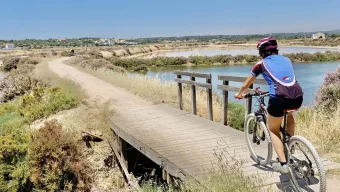
From the first pedal stroke leaving Tavira, the Algarve opens to you not as a postcard, but as a line you draw slowly across the map with your own body....
 8 Days / 7 Nights
 Portugal
 This tour starts any day of the year.
 From 2415€
 or
or
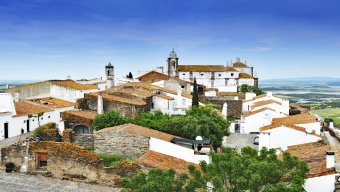
You arrive in Lisbon with the quiet feeling that something is about to bascule. A road opens towards the Alentejo, where the landscape stretches out in...
7 Days / 6 Nights
Portugal
This tour starts any day of the year.
From 2577€
or
Atlantic West Coast & Sintra Cycling is an incredible cycling tour over the Atlantic west coast of Europe! Visit typical fisherman villages and...
7 Days / 6 Nights
Portugal
This tour starts any day of the year.
From 1883€
or
The country offers much more than demanding mountain roads. There are routes for leisurely riders, recreational cyclists and experienced road cyclists, with plenty of options for electric bikes as well. Some regions are defined by long climbs, while others invite travelers to slow down and enjoy local food, historic towns and quiet country roads.
For Discover France travelers looking beyond France while keeping the same spirit of active, immersive travel, Portugal is a natural choice. Cycling here is less about rushing between landmarks and more about watching the scenery gradually change beneath your wheels.
The best cycling destinations in Portugal stretch from the green north to the sun-drenched Algarve. The Douro Valley attracts riders with vineyard-covered hills and dramatic river views. Alentejo provides open landscapes and quieter riding, while the Algarve combines coastal scenery with surprisingly peaceful inland roads. Farther west, Portugal’s Atlantic coast offers long-distance possibilities that can be linked into multi-day journeys.
Central Portugal adds mountains and traditional villages, while areas around Lisbon and Porto allow cyclists to combine cultural city stays with day rides or longer itineraries. Choosing between them depends on whether you prefer coastlines, wine country, mountains or gentle countryside.
| Region | Best For | Terrain | Ideal Riding Style |
|---|---|---|---|
| Algarve | Sunshine and coastal scenery | Rolling with hillier inland sections | Leisure and road cycling |
| Alentejo | Quiet countryside and heritage | Gentle to rolling | Touring and e-biking |
| Douro Valley | Wine landscapes | Hilly and steep | Road cycling and e-biking |
| Atlantic Coast | Long-distance journeys | Mostly moderate | Touring |
| Serra da Estrela | Mountain challenges | Mountainous | Experienced road cycling |
| Minho | Green rural landscapes | Rolling | Touring and leisure cycling |
The Algarve is often associated with beaches and golf courses, but cyclists quickly discover a different side of southern Portugal. Move a few kilometers inland and busy resort areas give way to orchards, small villages, low mountains and roads winding through a landscape scented with citrus and Mediterranean vegetation.
Spring and autumn are particularly pleasant for cycling in the Algarve. Temperatures are generally comfortable, the countryside is colorful, and popular coastal destinations are less crowded than in midsummer.
The region works well for cyclists who want variety. A single itinerary can include ocean views, rural hills and traditional towns without requiring enormous daily distances.
The western Algarve has a wilder character. Around Lagos and toward Sagres, the coast is marked by impressive cliffs, windswept headlands and expansive beaches. Cyclists can combine sections near the sea with inland roads passing small communities and open countryside.
Sagres feels particularly distinctive. Located near the southwestern edge of mainland Europe, it offers dramatic Atlantic scenery and a sense of space that contrasts with the busier central Algarve.
Wind is an important factor here. The open coast can be exposed, so daily distances that appear modest may require more effort than expected.
The eastern Algarve offers a gentler atmosphere. Areas around Tavira and the Spanish border include flatter roads, agricultural landscapes and sections near the lagoons of the Ria Formosa.
Tavira makes an attractive cycling base thanks to its historic center, riverside setting and access to quieter countryside. Riders can explore nearby villages before returning for seafood and a relaxed evening in town.
Alentejo feels made for slow travel. Covering a large part of southern Portugal, it is a region of broad horizons, cork oak forests, olive groves, vineyards and hilltop towns that seem to rise naturally from the landscape.
Traffic can be relatively light on secondary roads, making the region particularly appealing for cyclists who value peaceful surroundings. Distances between villages sometimes require planning, but the reward is a sense of space rarely found in more densely populated European destinations.
The terrain varies between gentle plains and rolling hills. An e-bike can make longer stages especially comfortable, while stronger cyclists will find plenty of opportunities to increase daily mileage.
Évora is one of the cultural highlights of Alentejo and an excellent anchor for a cycling itinerary. Its historic center provides a striking contrast to the quiet farmland surrounding the city.
Outside Évora, country roads pass vineyards, olive trees, cork oaks and occasional prehistoric monuments. The landscape encourages frequent stops rather than continuous high-speed riding.
One of the pleasures of cycling here is arriving in a small town after a warm day on the road and finding a shaded terrace for lunch. Alentejo cuisine is substantial and rooted in local ingredients, making food part of the cycling experience rather than simply fuel between stages.
Western Alentejo reaches the Atlantic, creating a very different setting from the inland plains. The coastline includes long beaches, cliffs, fishing communities and protected natural landscapes.
Areas around Vila Nova de Milfontes and farther south toward Odeceixe are particularly attractive. Roads can be undulating, but the scenery provides constant rewards.
This part of Portugal is a strong choice for riders who want coastal landscapes without spending an entire trip in highly developed resort areas.
The Douro Valley is one of Portugal’s most visually impressive cycling destinations. Vineyards rise in terraces above the Douro River, villages cling to hillsides and narrow roads follow contours shaped by centuries of agriculture.
It is also one of the more demanding regions to explore by bike. Roads frequently climb away from the river, and gradients can be substantial. Riders should consider elevation as carefully as distance when planning each stage.
For those prepared for the terrain, the rewards are exceptional. Viewpoints appear around bends, revealing vineyard terraces layered across the hills. During harvest season, the valley takes on an especially lively atmosphere.
A cycling holiday in the Douro is naturally connected with wine culture. The region is famous for Port and increasingly recognized for its table wines.
Traditional estates, known as quintas, dot the valley. Including selected visits within a cycling itinerary gives travelers a deeper appreciation of how geography, climate and steep terrain shape local wine production.
An electric bike is particularly useful here. It does not remove the experience of cycling, but it can make steep climbs more accessible and allow riders of different fitness levels to enjoy the valley together.
Porto makes an appealing gateway to northern Portugal. While the historic center contains steep streets and busy sections, the Douro riverfront and Atlantic-facing neighborhoods provide opportunities for shorter rides before heading into the countryside.
From the wider Porto area, cyclists can connect with coastal routes traveling north or south. This makes the city a practical starting or finishing point for a longer journey.
Combining urban exploration with several days of cycling is particularly effective here. Porto’s architecture, food markets and riverside atmosphere add a cultural dimension before the landscape becomes more rural.
Portugal forms part of EuroVelo 1, the Atlantic Coast Route linking destinations across western Europe. For touring cyclists, this creates the possibility of building longer journeys around Portugal’s coastline.
The experience is varied rather than uniform. Some stretches use dedicated cycle paths, while others follow roads or local routes. Riders pass dunes, pine forests, beaches, fishing towns and estuaries as they travel along the country.
The Atlantic is rarely just background scenery. Wind, sea air and the rhythm of coastal communities become part of the journey.
Between Lisbon and Porto, Portugal’s Silver Coast is often overlooked by visitors heading directly between the country’s two largest cities. For cyclists, that can be an advantage.
Coastal towns, lagoons and fishing communities provide rewarding stops. Places such as Nazaré, Óbidos and the areas around the Óbidos Lagoon can be incorporated into cycling itineraries combining culture with Atlantic scenery.
The terrain is not uniformly flat. Short, sharp climbs appear near some coastal towns, but the variety keeps daily rides interesting.
Lisbon itself is hilly and busy, but its surroundings offer several attractive cycling areas. Rather than focusing exclusively on city riding, cyclists can use Lisbon as a gateway to Cascais, Sintra and the Atlantic coast.
This makes the capital a good choice for travelers who want to add two or three days of cycling to a wider Portugal vacation.
Sintra combines lush vegetation, historic estates and steep hills within a relatively compact area. The climbing can be challenging, but the setting is memorable.
Roads twist through forest before opening toward palaces, viewpoints and the Atlantic side of the Sintra mountains. Experienced cyclists can create demanding loops, while e-bikes make the area accessible to riders who prefer to focus on scenery rather than gradients.
Cascais offers a more relaxed alternative. The seaside location, open views and connections toward the coast make it well suited to shorter rides.
Routes can incorporate the dramatic shoreline west of town, where the landscape becomes increasingly rugged toward Guincho. Ocean winds are common, but the coastal atmosphere makes this one of the most accessible introductions to cycling near Lisbon.
Central Portugal receives less international attention than Lisbon, Porto or the Algarve, yet it contains some of the country’s most rewarding landscapes for adventurous cyclists.
Traditional stone villages, river valleys, forested hills and mountain roads create a varied cycling environment. It is particularly appealing for travelers who have already visited Portugal’s major destinations and want to experience quieter inland areas.
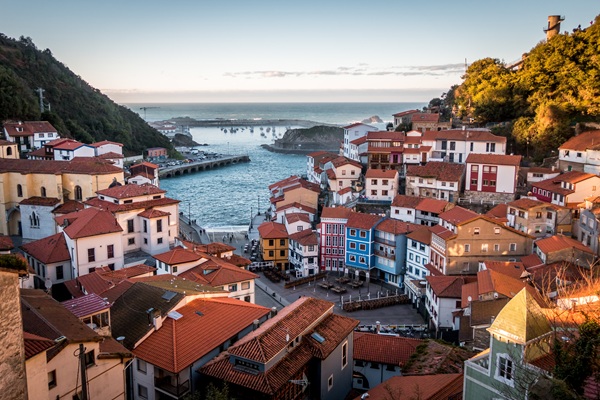
Serra da Estrela is Portugal’s most significant mountain range and a destination for riders who genuinely enjoy climbing. Roads rise through dramatically changing landscapes toward the country’s highest mainland areas.
Long ascents require good fitness, sensible pacing and preparation for changing weather. Conditions at altitude can differ significantly from those in the valleys below.
This is not necessarily the best region for a first cycling holiday, but experienced road cyclists will find some of Portugal’s most satisfying climbing here.
Northern Portugal is noticeably greener than the south, and Minho demonstrates this beautifully. Vineyards, rivers, forests and small farms create a landscape that can feel almost garden-like.
Historic towns such as Ponte de Lima can serve as bases for exploring rural roads, while routes near the Minho River provide opportunities for gentler cycling.
Rainfall is more frequent in the north, but this is exactly what gives the region its lush appearance. Late spring and early autumn can provide an excellent balance between greenery and comfortable temperatures.
The Portuguese Camino routes toward Santiago de Compostela add another dimension to cycling in northern Portugal. Cyclists can follow sections of historic pilgrimage corridors while passing towns, churches and rural communities.
The experience differs from a conventional road cycling tour. Surfaces and conditions can change, and some sections are better suited to touring, gravel or hybrid bikes.
For travelers interested in history and cultural journeys, however, the route provides a compelling sense of progression and purpose.
Portugal can offer good cycling conditions for much of the year, but the ideal season varies by region. Spring is one of the best periods overall. Temperatures are usually comfortable, vegetation is green and wildflowers add color to rural landscapes.
Autumn is another excellent choice, particularly in wine regions such as the Douro and Alentejo. Harvest activity adds interest, while temperatures are generally easier for cycling than during peak summer.
July and August can be extremely hot in inland Alentejo and parts of the Algarve. Riders visiting in summer should consider early morning starts and shorter stages. Northern Portugal and Atlantic-facing areas can be more comfortable, although conditions remain variable.
| Season | Best Regions | Cycling Experience |
|---|---|---|
| Spring | Alentejo, Algarve, Central Portugal | Mild temperatures and colorful countryside |
| Summer | Atlantic Coast, Minho, Northern Portugal | Long daylight hours but warmer conditions |
| Autumn | Douro Valley, Alentejo, Algarve | Harvest landscapes and pleasant temperatures |
| Winter | Algarve and southern Portugal | Cooler riding and quieter destinations |
The best bike depends on the route rather than the country as a whole. Portugal’s paved secondary roads work well for road bikes, touring bikes and e-bikes, while gravel bikes provide additional flexibility on mixed-surface itineraries.
An e-bike can be particularly valuable in the Douro Valley, Sintra and other hilly regions. Portugal’s terrain is often more undulating than it appears on a simple map, and electric assistance can make repeated climbs more enjoyable during a multi-day tour.
For long coastal journeys, comfort and reliable gearing are generally more important than outright speed.
Portugal should not be described as either easy or difficult because the experience changes dramatically between regions. Alentejo can provide long, gentle stages, while the Douro Valley may involve repeated steep climbs. Coastal routes can appear straightforward but become harder when strong Atlantic winds develop.
The best approach is to consider elevation, road surface, temperature and distance together. A 50-kilometer ride through rolling countryside may feel entirely different from the same distance in the mountains.
This flexibility is one of Portugal’s strengths. Routes can be adapted to recreational riders, experienced cyclists and mixed-ability groups.
Cycling in Portugal is also a journey through regional cuisine. Meals change as the scenery changes, giving each destination its own character.
Along the Atlantic, fresh fish and seafood are natural choices. Inland Alentejo is known for hearty dishes based on bread, pork, herbs and olive oil. Northern Portugal brings different regional specialties, while the Douro connects food with a centuries-old wine tradition.
Local cafés also play an important role in a cycling day. A short stop for coffee and a pastry can become one of those simple moments that riders remember long after the trip ends.
Portugal works especially well for multi-day travel because regions can be combined without requiring enormous transfers. A longer itinerary might begin in Porto, explore the Douro Valley and continue toward the Atlantic. Another trip could link Lisbon with the Silver Coast before heading north.
In southern Portugal, Alentejo and the Algarve create a particularly attractive combination. Riders can begin among vineyards and cork forests before gradually approaching the ocean.
Daily stages do not need to be exceptionally long. Distances of moderate length allow time for village stops, cultural visits and leisurely meals, which are an essential part of discovering Portugal by bike.
Portugal combines many of the elements cyclists look for in a European journey without feeling repetitive. There are serious mountain climbs, but there are also easy coastal rides. Famous wine regions sit beside quiet agricultural landscapes, while historic cities can be combined with remote villages in the same itinerary.
The country’s relatively compact size is another advantage. Travelers can experience several distinct environments without spending large amounts of time transferring between regions.
Most importantly, cycling fits naturally with Portugal’s slower rhythms. Small cafés, local markets, village squares, coastal viewpoints and family-run restaurants encourage riders to stop rather than simply pass through.
There is no single answer to where to go cycling in Portugal. Riders looking for sunshine and accessible coastal scenery may prefer the Algarve. Travelers interested in quiet roads, heritage and wide rural landscapes should consider Alentejo. Wine lovers and strong climbers will find the Douro Valley difficult to resist, while touring cyclists can follow Portugal’s Atlantic coastline through a succession of beaches, forests and historic communities.
Central Portugal and Serra da Estrela provide more demanding mountain experiences, while Minho offers green countryside and a distinctive northern atmosphere. Around Lisbon and Porto, shorter rides can easily be incorporated into a broader cultural vacation.
That diversity is what makes a Portugal bike tour memorable. Rather than presenting cyclists with one famous route, the country offers a collection of landscapes that can be matched to different interests and abilities. Ride beside the Atlantic one day, climb among vineyards the next, then finish in a medieval town over a plate of regional food and a glass of local wine.
For travelers who value scenery as much as mileage, Portugal provides the freedom to design a cycling holiday around experience rather than performance. It is a destination where the road between two places can become just as memorable as the places themselves.











 France Bike Tours
 Europe Bike Tours
 Europe Luxury Bike Tours
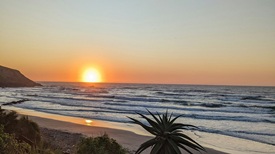 Sunshine Tours
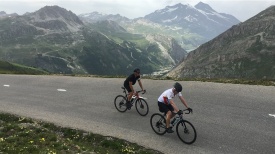 Epic Cycling