No tours available yet...
No tours available yet...
No tours available yet...



Adventure Vacations
for Couples

European Tours
for Seniors

European Tours
for Families

Group Tours to
Europe

Honeymoon
Europe Tour

Singles Tours
Europe
Alsace Wine Route
Bordeaux
Brittany
Burgundy
Canal du Midi
Champagne
Corsica
Dordogne
Loire Valley
French Riviera
Provence
Normandy
Paris
Pays Basque
Pyrenees
South France
France Castles
Massif Central
Northern France
Prehistoric Caves
WW2 Tours
Alps
Guadeloupe
Belgium
Portugal
Italy
Scotland
Tuscany
Holland
Ireland
Croatia
Switzerland
United Kingdom
Sardinia
Sicily
Puglia
Catalonia
Northern Spain
Atlantic Coast
Baltic States
Nordic States
Italy
Spain
Holland
United Kingdom
Portugal
Ireland
Switzerland
Croatia
Provence
Loire Valley
Bordeaux
Brittany
Burgundy
Dordogne
Alsace
Massif Central
Italy
Spain
Portugal
Provence
Loire Valley
Bordeaux
Dordogne
Burgundy
Brittany
Alsace
Burgundy
Alsace
Bordeaux
Bordeaux
Burgundy
Alsace
Provence
Loire Valley
Languedoc
Portugal
Provence
Alsace
Dordogne
Loire Valley
Brittany
Burgundy
Normandy
Corsica
Provence
Normandy
Dordogne
Loire Valley
Burgundy
Alsace
Brittany
Corsica
Loire Valley
Provence
Bordeaux
Languedoc
Dordogne
Burgundy
Brittany
Guadeloupe
Loire Valley
Dordogne
Brittany
Provence
French Riviera
Spain
Normandy
Corsica
Atlantic Coast
Loire Valley
Dordogne
Brittany
Provence
French Riviera
Spain
Normandy
Corsica
Atlantic Coast
Provence
Loire Valley
Languedoc
Dordogne
Provence
Loire Valley
Languedoc
Dordogne
Embark on a VIP cycling adventure from the legendary climbs of the French Alps to the grand finale of the Tour de France in Paris. Ride iconic Alpine...
 1 Comment(s)
This 7-day program in the heart of the Pyrenees offers an unforgettable immersion into the spirit of the Tour de France 2026. Surrounded by dramatic...
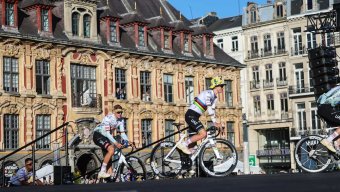
Immerse yourself in the Grand Départ of the 2026 Tour de France with Discover France and experience a unique journey into the world of professional...
Selecting appropriate clothing is crucial for comfort and performance during your bike tour. Consider the following items:
Cycling shorts: Padded shorts reduce friction and provide cushioning, essential for long rides.
Moisture-wicking jerseys: Opt for breathable fabrics that keep you dry and comfortable.
Base layers: Thermal layers are vital for cooler mornings or high-altitude regions.
Waterproof jacket: A lightweight, packable jacket protects against unexpected rain.
Gloves: Cycling gloves enhance grip and prevent blisters.
Socks: Choose moisture-wicking socks to keep your feet dry.
Arm and leg warmers: These versatile accessories provide additional warmth when needed.
Proper footwear enhances pedaling efficiency and comfort:
Cycling shoes: If using clipless pedals, bring compatible shoes.
Casual shoes: For off-bike activities and exploring towns.
Safety should always be a priority:
Helmet: A well-fitted helmet is essential for protection.
Sunglasses: Protect your eyes from UV rays, dust, and insects.
High-visibility vest: Enhances visibility, especially in low-light conditions.
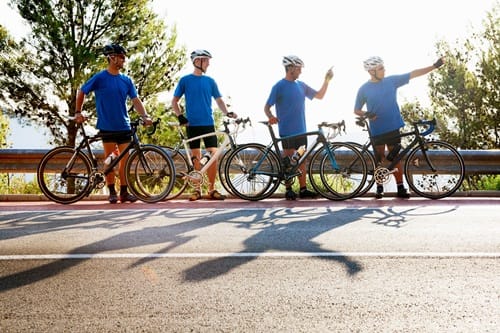
Staying on course is vital for a successful tour:
GPS device or smartphone with maps: Ensure you have offline maps for areas with limited connectivity.
Physical maps: Useful as a backup and for planning.
Be prepared for minor mechanical issues:
Multi-tool: Includes various tools for on-the-go repairs.
Spare tubes and patch kit: Essential for fixing punctures.
Tire levers: Assist in removing tires during repairs.
Mini pump: Compact pump for inflating tires.
Chain lubricant: Keeps the chain running smoothly.
Maintaining energy levels is crucial:
Water bottles: Carry at least two to stay hydrated.
Energy bars or snacks: Quick sources of nutrition during rides.
Don’t forget these essentials:
Identification and important documents: Keep copies of your passport, insurance, and emergency contacts.
Cash and cards: Some rural areas may not accept cards.
Toiletries: Pack travel-sized essentials.
First aid kit: Include band-aids, antiseptic wipes, and any personal medications.
Efficient packing ensures a comfortable ride:
Panniers or bikepacking bags: Distribute weight evenly to maintain balance.
Dry bags: Protect electronics and clothing from moisture.
Packing cubes: Organize items for easy access.










 France Bike Tours
  Europe Bike Tours
  Europe Luxury Bike Tours
  Epic Cycling
  Cycling Challenges