No tours available yet...
No tours available yet...
No tours available yet...




Adventure Vacations
for Couples

European Tours
for Seniors

European Tours
for Families

Group Tours to
Europe

Honeymoon
Europe Tour

Singles Tours
Europe
Alsace Wine Route
Bordeaux
Brittany
Burgundy
Canal du Midi
Champagne
Corsica
Dordogne
Loire Valley
French Riviera
Provence
Normandy
Paris
Pays Basque
Pyrenees
South France
France Castles
Massif Central
Northern France
Prehistoric Caves
WW2 Tours
Alps
Guadeloupe
Belgium
Portugal
Italy
Scotland
Tuscany
Holland
Ireland
Croatia
Switzerland
United Kingdom
Sardinia
Sicily
Puglia
Catalonia
Northern Spain
Atlantic Coast
Baltic States
Nordic States
France Bike Tours
Europe Bike Tours
Europe Luxury Bike Tours
Sunshine Bike Tours
Epic Cycling
Cycling Challenges
Italy
Spain
Holland
United Kingdom
Portugal
Ireland
Switzerland
Croatia
Provence
Loire Valley
Bordeaux
Brittany
Burgundy
Dordogne
Alsace
Massif Central
Italy
Spain
Portugal
Provence
Loire Valley
Bordeaux
Dordogne
Burgundy
Brittany
Alsace
Burgundy
Alsace
Bordeaux
Bordeaux
Burgundy
Alsace
Provence
Loire Valley
Languedoc
Portugal
Provence
Alsace
Dordogne
Loire Valley
Brittany
Burgundy
Normandy
Corsica
Provence
Normandy
Dordogne
Loire Valley
Burgundy
Alsace
Brittany
Corsica
Loire Valley
Provence
Bordeaux
Languedoc
Dordogne
Burgundy
Brittany
Guadeloupe
Loire Valley
Dordogne
Brittany
Provence
French Riviera
Spain
Normandy
Corsica
Atlantic Coast
Loire Valley
Dordogne
Brittany
Provence
French Riviera
Spain
Normandy
Corsica
Atlantic Coast
Provence
Loire Valley
Languedoc
Dordogne
Provence
Loire Valley
Languedoc
Dordogne
 Available
Immerse yourself in the Grand Départ of the 2027 Tour de France with Discover France and experience a unique journey into the world of professional...
 7 Days / 6 Nights
 England
 From 29 June to 05 July 2027
 From 8990€
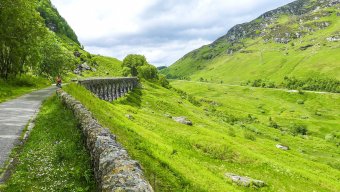
The Lochs and Glens is a fabulous self-guided cycling holiday in the UK, cycling across the Scottish Highlands from the River Clyde to the River Tay...
6 Days / 5 Nights
United Kingdom
This tour starts any day of the year. minimum 2 people.
From 1315€
or
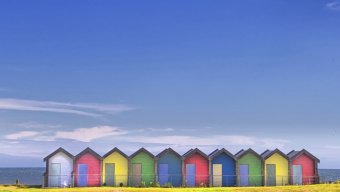
A classic cycling holiday in the UK from Newcastle-upon-Tyne to Edinburgh, on The National Cycle Network Route 1: Coast and Castles, and utilising the...
7 Days / 6 Nights
England
Daily departures available from April to mid October. minimum 2 people.
From 1698€
or











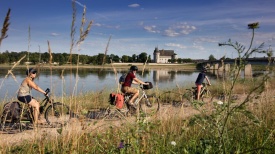 France Bike Tours
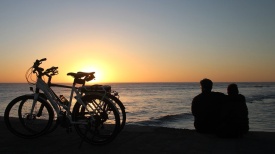 Europe Bike Tours
 Europe Luxury Bike Tours
 Sunshine Bike Tours
 Epic Cycling