No tours available yet...
No tours available yet...
No tours available yet...



Adventure Vacations
for Couples

European Tours
for Seniors

European Tours
for Families

Group Tours to
Europe

Honeymoon
Europe Tour

Singles Tours
Europe
Alsace Wine Route
Bordeaux
Brittany
Burgundy
Canal du Midi
Champagne
Corsica
Dordogne
Loire Valley
French Riviera
Provence
Normandy
Paris
Pays Basque
Pyrenees
South France
France Castles
Massif Central
Northern France
Prehistoric Caves
WW2 Tours
Alps
Guadeloupe
Belgium
Portugal
Italy
Scotland
Tuscany
Holland
Ireland
Croatia
Switzerland
United Kingdom
Sardinia
Sicily
Puglia
Catalonia
Northern Spain
Atlantic Coast
Baltic States
Nordic States
France Bike Tours
Europe Bike Tours
Europe Luxury Bike Tours
Sunshine Bike Tours
Epic Cycling
Cycling Challenges
Italy
Spain
Holland
United Kingdom
Portugal
Ireland
Switzerland
Croatia
Provence
Loire Valley
Bordeaux
Brittany
Burgundy
Dordogne
Alsace
Massif Central
Italy
Spain
Portugal
Provence
Loire Valley
Bordeaux
Dordogne
Burgundy
Brittany
Alsace
Burgundy
Alsace
Bordeaux
Bordeaux
Burgundy
Alsace
Provence
Loire Valley
Languedoc
Portugal
Provence
Alsace
Dordogne
Loire Valley
Brittany
Burgundy
Normandy
Corsica
Provence
Normandy
Dordogne
Loire Valley
Burgundy
Alsace
Brittany
Corsica
Loire Valley
Provence
Bordeaux
Languedoc
Dordogne
Burgundy
Brittany
Guadeloupe
Loire Valley
Dordogne
Brittany
Provence
French Riviera
Spain
Normandy
Corsica
Atlantic Coast
Loire Valley
Dordogne
Brittany
Provence
French Riviera
Spain
Normandy
Corsica
Atlantic Coast
Provence
Loire Valley
Languedoc
Dordogne
Provence
Loire Valley
Languedoc
Dordogne
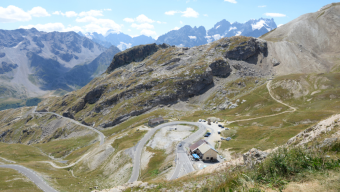
Explore the French Alps in a unique and prestigious way on this bike tour. Start your adventure in Annecy, and the beautiful lake. You hop on your bike...
 8 Days / 7 Nights
 Alps
Alps
 From August 4th to August 11th - 2025
 From 4500€
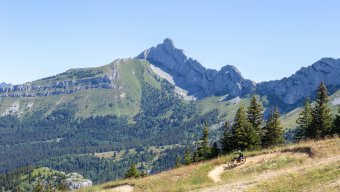
Embark on your self-guided walking adventure in Vercors : Discover the largest National Park in France on this walking tour. The Vercors stands as a...
7 Days / 6 Nights
Alps
From May to October
From 978€
 or
or
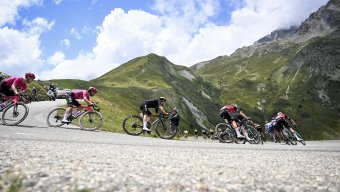
Experience the Tour de France like never before with a luxury VIP journey from the majestic Alps to the iconic Champs-Élysées. Begin in Lyon with a...
5 Days / 4 Nights
Alps
From 23 July to 27 July 2026
From 4090€
For readers of discoverfrance.com, this stage also represents one of the most extraordinary cycling journeys in Europe. It concentrates the myth of the French Alps into a single day, stacking legendary climbs before unveiling a rare and strategic finale via the Col de Sarenne.
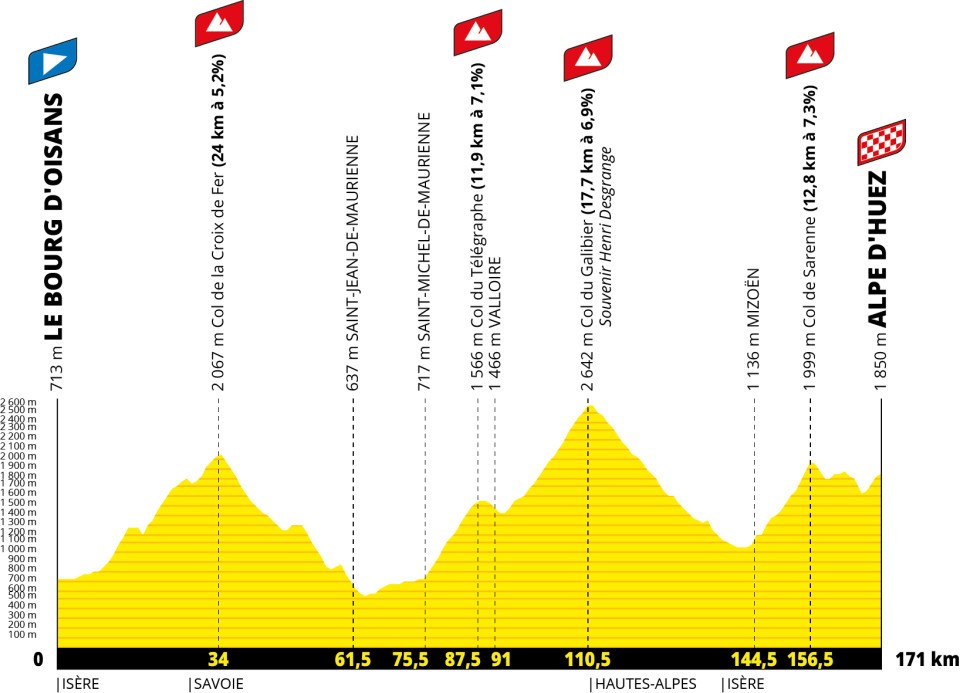
The profile of Tour de France 2026 Stage 20 Bourg d Oisans Alpe d Huez reads like a catalog of Alpine giants. Distance alone does not define its severity. The accumulation of altitude, the succession of passes and the psychological weight of the moment make it exceptional.
| Key Element | Details |
|---|---|
| Date | July 25 2026 |
| Distance | 171 km |
| Total Elevation Gain | 5600 m |
| Start | Le Bourg d Oisans |
| Finish | Alpe d Huez via Col de Sarenne |
| Highest Point | Col du Galibier 2642 m |










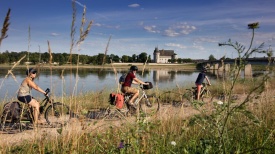 France Bike Tours
 Europe Bike Tours
 Europe Luxury Bike Tours
 Sunshine Tours
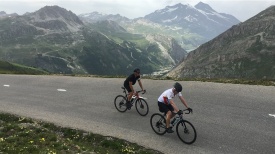 Epic Cycling